Lassi
Beverages • India
How to Make Lassi (Traditional & Healthy Version)
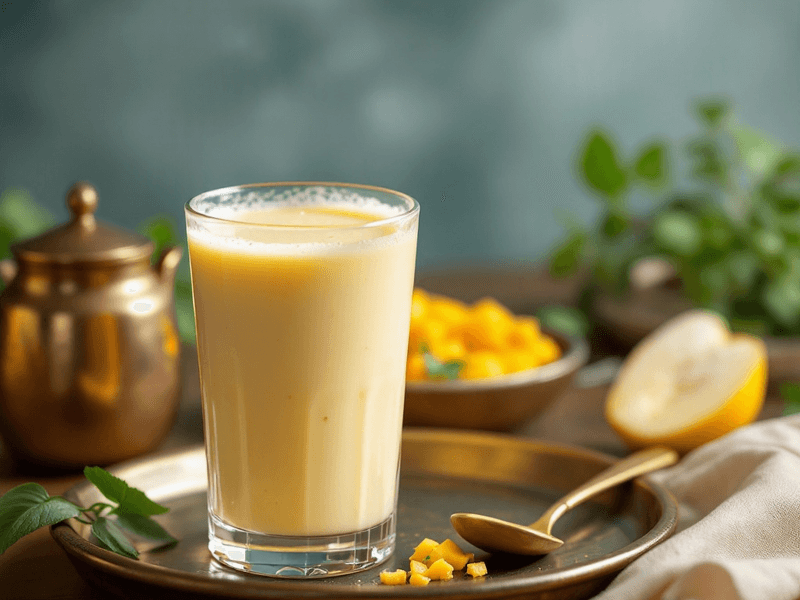
Lassi is a beloved Indian yogurt-based drink that has been cherished for centuries across the diverse regions of India. Originating from Punjab, this refreshing beverage is traditionally enjoyed during the hot summer months and is a staple at many Indian households and roadside dhabas. Lassi is known for its creamy texture and cooling properties, offering a delicious way to beat the heat, especially after a spicy meal. In India, Lassi comes in both sweet (meethi lassi) and savory (namkeen lassi) versions, and is often flavored with rose water, cardamom (elaichi), or saffron (kesar), sometimes garnished with chopped dry fruits. Lassi is not just a refreshing snack but also a symbol of Indian hospitality. It is commonly served during festivals like Holi and Vaisakhi, as well as at family gatherings and weddings. Its global popularity is a testament to its irresistible taste and versatility. Whether you choose the classic sweet version or experiment with regional flavors, Lassi is a wholesome and nourishing drink that brings together the best of Indian dairy tradition. This healthy recipe is low in sugar and uses probiotic-rich dahi (curd), making it a guilt-free indulgence for all ages.
Ingredients(for 1 tall glass (approx. 250 ml))
- 2 cups Dahi (curd, plain yogurt) (homemade or store-bought, low-fat recommended)
- 1 cup Chilled water (or ice cubes)
- 1.5 tbsp Honey (or use jaggery (gur) powder)
- 1/4 tsp Green cardamom powder (elaichi)
- 1/2 tsp Rose water - optional
- 6-8 strands Saffron strands (kesar) (for garnish) - optional
- 1 tbsp Chopped pistachios or almonds (for garnish) - optional
- a pinch Salt (optional, for taste) - optional
Instructions
- 1
Add dahi (curd) to a large mixing bowl. Whisk until smooth and creamy, removing all lumps.
3 minutes
Use a hand whisk (madani) for a traditional texture.
- 2
Pour in chilled water (or add ice cubes). Whisk again until the mixture is frothy and light.
2 minutes
For a thicker lassi, reduce the amount of water.
- 3
Add honey or powdered jaggery for natural sweetness. Stir well to dissolve completely.
1 minute
Adjust sweetness according to taste or dietary needs.
- 4
Sprinkle in green cardamom powder and rose water. Whisk or blend for an even flavor.
2 minutes
Rose water adds a traditional floral aroma.
Why This Dish is Healthy
This lassi recipe is a healthy choice because it uses low-fat dahi, natural sweeteners, and beneficial spices. The probiotics in curd aid digestion, while honey and jaggery provide sweetness without spiking blood sugar levels like refined sugar. The addition of nuts boosts heart-healthy fats and fiber, making lassi a nutritious snack or beverage for weight management and overall wellness.
Lassi is packed with probiotics from live dahi cultures, supporting gut health and digestion. It provides a good source of protein, calcium, vitamin B12, and potassium. Using honey or jaggery instead of refined sugar lowers the glycemic index. Nuts add healthy fats and micronutrients, while cardamom and saffron offer antioxidant benefits. Opting for low-fat curd reduces overall calories and saturated fat, making this drink suitable for most diets.
Pro Tips
- 💡Tip 1: Use freshly made homemade dahi for the best flavor and probiotic content.
- 💡Tip 2: For an extra smooth texture, blend the lassi in a mixer.
- 💡Tip 3: Add a pinch of black salt (kala namak) for a savory twist.
Storage & Serving
Lassi is best served fresh. Store in a covered jug in the refrigerator for up to 24 hours. Stir well before serving as separation may occur. Avoid freezing.
Best served: Breakfast or Lunch
Nutrition Facts
| Nutrient | Per 100g |
|---|---|
| Energy | 180.0 kcal |
| Protein | 6.0 g |
| Carbohydrates | 22.0 g |
| Total Fat | 7.0 g |