Homemade Coconut Milk
Beverages • India
How to Make Homemade Coconut Milk (Traditional & Healthy Version)
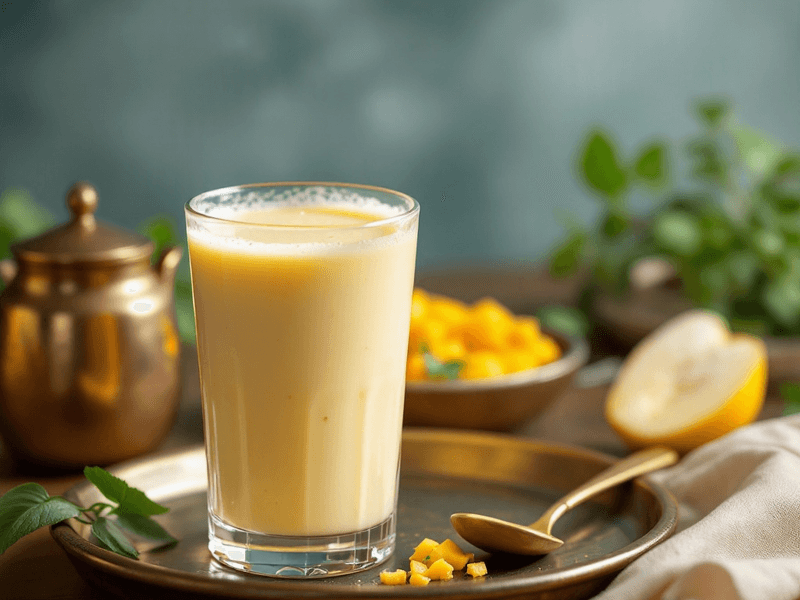
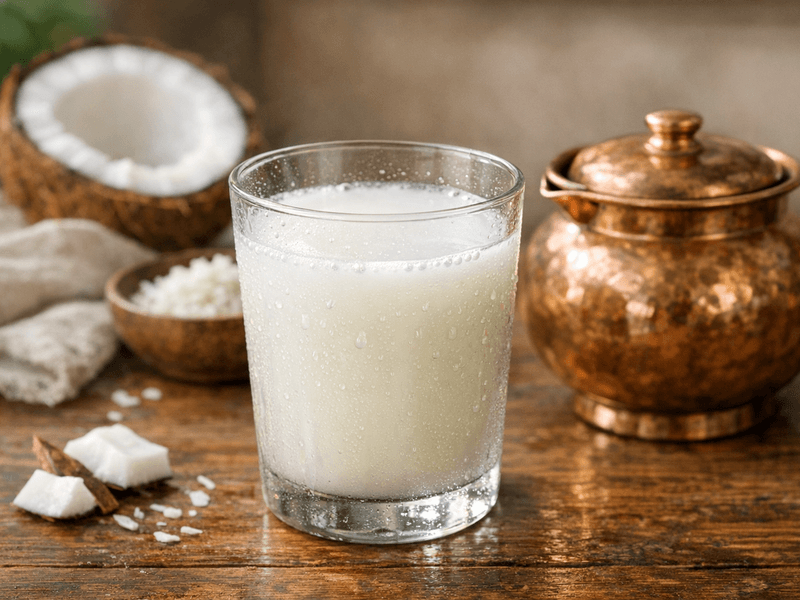
Homemade Coconut Milk, or 'nariyal doodh', is a cherished beverage in South Indian households, renowned for its creamy texture and subtle sweetness. This plant-based drink is extracted from fresh coconut, a staple ingredient in Kerala, Tamil Nadu, and Karnataka cuisines. Traditionally, coconut milk is used in curries, payasam (kheer), and even as a refreshing drink during hot summers. Its natural richness makes it a favorite during festivals like Onam, where coconut-based dishes are central to the feast. The process of making coconut milk at home is simple, allowing you to control the purity and freshness of the beverage. With its distinct tropical aroma and flavor, coconut milk adds depth to both savory and sweet recipes. For those seeking a dairy-free alternative, homemade coconut milk offers a wholesome, nutritious option. Its versatility and health benefits have made it a staple in vegetarian diets across India, and it continues to be celebrated for its authenticity and connection to Indian heritage.
Ingredients(for 1 cup (200 ml))
- 1 cup Fresh grated coconut (Nariyal, preferably mature coconut)
- 2 cups Warm water (Garam pani)
- 1/4 tsp Cardamom powder (Elaichi) - optional
- 1 tbsp Jaggery (Gur, for sweetness) - optional
- A pinch Salt (Namak) - optional
- 2-3 strands Saffron strands (Kesar, for festive touch) - optional
- 1/4 tsp Vanilla essence (Optional, for flavor) - optional
- 2-3 leaves Mint leaves (Pudina, for garnish) - optional
Instructions
- 1
Place the fresh grated coconut (nariyal) in a large mixing bowl. Add 1 cup of warm water and let it soak for 5 minutes to soften.
5 minutes
Use mature coconut for richer, creamier milk.
- 2
Transfer the soaked coconut to a blender. Blend for 2-3 minutes until the mixture becomes smooth and milky.
3 minutes
Blending thoroughly ensures maximum extraction of coconut milk.
- 3
Pour the blended coconut mixture through a muslin cloth or fine sieve into another bowl. Squeeze and extract the first, thick coconut milk (called 'first extract' or 'onnam paal').
5 minutes
Use a muslin cloth for clear, smooth milk without coconut bits.
- 4
Add the remaining 1 cup warm water to the leftover coconut pulp. Blend again and repeat the straining process to extract the second, thinner milk.
4 minutes
Second extract is lighter and perfect for beverages.
Why This Dish is Healthy
Homemade coconut milk is free from preservatives and additives that are often found in packaged versions. It contains natural, heart-healthy fats and is low in sugar, especially when made without added sweeteners. The use of jaggery instead of refined sugar adds minerals and a low GI sweetener. Its antioxidant content from coconut and optional saffron supports overall wellness. Ideal for vegetarian and vegan diets, coconut milk promotes satiety and provides sustained energy.
Coconut milk is rich in healthy fats, especially medium-chain triglycerides (MCTs), which are easily metabolized by the body. It provides a good amount of manganese, copper, and magnesium, supporting metabolic and bone health. While coconut milk is naturally low in carbohydrates and free from cholesterol, it offers some protein and dietary fiber. Its vitamins include C, E, and B-complex, making it beneficial for skin, immunity, and energy. Being plant-based, it is suitable for those with lactose intolerance or dairy allergies.
Pro Tips
- 💡Tip 1: Use mature coconut for richer, creamier milk.
- 💡Tip 2: Blend twice to extract both thick and thin milk for versatility.
- 💡Tip 3: Add cardamom and saffron for festive occasions to enhance aroma and taste.
Storage & Serving
Store homemade coconut milk in a glass jar or airtight container in the refrigerator. Shake before use, as separation is natural. Use within 2 days to ensure freshness and avoid spoilage.
Best served: Breakfast or Lunch
Nutrition Facts
| Nutrient | Per 100g |
|---|---|
| Energy | 120.0 kcal |