Gud Chai with Low Fat Milk
Beverages • India
How to Make Gud Chai with Low Fat Milk (Traditional & Healthy Version)
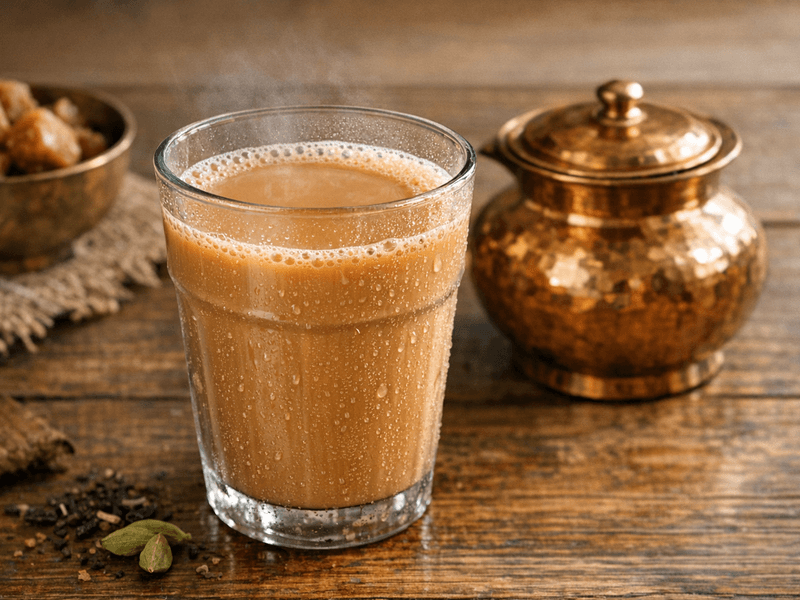
Gud Chai with Low Fat Milk is a beloved Indian beverage that brings together the earthy sweetness of jaggery (gud) and the comforting richness of chai, all while keeping calories in check. This healthy tea is traditionally brewed in many Indian households, especially during the winter months when jaggery is celebrated for its warming properties. The use of low fat milk makes this chai lighter and ideal for calorie-conscious individuals without compromising on authentic taste. Rooted in Indian culinary traditions, Gud Chai is more than just a drink—it’s a symbol of hospitality and warmth. Across northern India, particularly in Punjab and Uttar Pradesh, Gud Chai is often served during festivals like Lohri and Makar Sankranti, reflecting its cultural significance. The combination of gud with aromatic spices like adrak (ginger), elaichi (cardamom), and dalchini (cinnamon) creates a fragrant, soothing cup that’s perfect for sharing with family and friends. Choosing Gud Chai with Low Fat Milk is a mindful way to enjoy Indian chai culture while promoting health. The jaggery provides a natural sweetness and minerals, while low fat milk delivers creaminess and protein with fewer calories. This recipe is perfect for those seeking an authentic, nutritious beverage that fits into a modern, health-focused lifestyle.
Ingredients(for 1 cup (approx. 150 ml) per serving)
- 1 cup Low fat milk (doodh)
- 1 cup Water (pani)
- 2 tablespoons Jaggery (gud, crushed)
- 2 teaspoons Assam tea leaves (chai patti)
- 1/2 inch Fresh ginger (adrak, grated) - optional
- 2 Green cardamom pods (elaichi, crushed) - optional
- 1 small piece Cinnamon stick (dalchini) - optional
- 1/4 teaspoon Fennel seeds (saunf) - optional
- 2-3 Black peppercorns (kali mirch, lightly crushed) - optional
Instructions
- 1
Add water to a saucepan and bring to a boil on medium heat. Add grated adrak (ginger), elaichi (cardamom), dalchini (cinnamon), saunf (fennel seeds), and black peppercorns. Let the spices simmer for 3-4 minutes to extract flavors.
4 minutes
Crushing spices just before use releases maximum aroma.
- 2
Add Assam chai patti (tea leaves) to the boiling water. Boil for 2-3 more minutes until the water turns deep amber and aromatic.
3 minutes
Do not over-boil to avoid bitterness.
- 3
Pour in low fat milk (doodh) and let the mixture come to a gentle boil. Simmer on low for 5-7 minutes, stirring occasionally.
7 minutes
Simmering on low heat helps achieve a creamy texture even with low fat milk.
- 4
Turn off the flame and allow the chai to cool for 1-2 minutes. Add crushed gud (jaggery) and stir until fully dissolved. Do not boil after adding gud to retain nutrients and avoid curdling.
2 minutes
Always add jaggery after turning off the flame to preserve its minerals.
Why This Dish is Healthy
This recipe swaps refined sugar with gud (jaggery), a natural sweetener rich in iron and trace minerals, making it a healthier choice for sweetening chai. Using low fat milk cuts down on calories and saturated fats without losing essential nutrients. The absence of artificial additives and the inclusion of beneficial spices make this Gud Chai a wholesome, guilt-free beverage suitable for daily consumption.
Gud Chai with Low Fat Milk combines the antioxidants from tea leaves with the natural minerals and iron found in jaggery. Low fat milk supplies protein, calcium, and essential vitamins like B12 and D, while keeping saturated fats low. The added spices such as ginger, cardamom, and cinnamon not only enhance flavor but also aid digestion, boost immunity, and provide anti-inflammatory benefits. This beverage is a nutrient-rich alternative to regular sugary chai, supporting overall wellness.
Pro Tips
- 💡Use freshly crushed spices for maximum aroma and flavor.
- 💡Always add gud after switching off the heat to prevent curdling.
- 💡For extra creaminess, whisk the chai briskly before serving.
Storage & Serving
Gud Chai is best enjoyed fresh. If needed, store in a thermos for up to 4 hours. Do not refrigerate, as reheating may cause milk to split. Always add jaggery after reheating.
Best served: Breakfast or Lunch
Nutrition Facts
| Nutrient | Per 100g |
|---|---|
| Energy | 90.0 kcal |