Goat Milk
Beverages • India
How to Make Goat Milk (Traditional & Healthy Version)
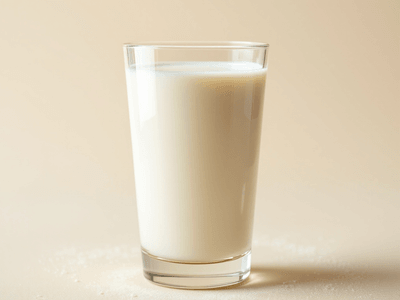
Goat milk, known as 'bakri ka doodh' in Hindi, is a cherished beverage across rural and urban India, valued for its unique nutritional profile and gentle taste. Traditionally consumed in many Indian households, goat milk is often favored during festivals such as Makar Sankranti and Navratri, where its purity and digestibility are celebrated. Its creamy texture and mild sweetness make it ideal for both direct consumption and as a base for regional drinks like 'badam doodh' or flavored milk. Goat milk has been a staple in Indian villages, especially in regions like Rajasthan, Gujarat, and parts of South India, where goat farming is prevalent. Its natural richness and easily digestible proteins have made it a preferred choice for elders, children, and those seeking alternative dairy options. Indian families often serve warm goat milk at breakfast or as an evening beverage, garnished with saffron (kesar) or cardamom (elaichi) for added flavor and health benefits. In contemporary Indian cuisine, goat milk is gaining popularity as a health-conscious choice. Its lower lactose content and high calcium make it suitable for those with mild lactose intolerance. Whether enjoyed plain or infused with spices, this beverage is a wholesome addition to the Indian diet, embodying both tradition and wellness.
Ingredients(for 1 glass (200 ml) per serving)
- 500 ml Goat milk (bakri ka doodh) (fresh or pasteurized)
- 2 pods Cardamom (elaichi) (crushed)
- 4-5 strands Saffron strands (kesar) (optional) - optional
- 6-8 Almonds (badam) (soaked and sliced)
- 1 tbsp Honey (shahad) (as natural sweetener)
- 1/2 tsp Rose water (gulab jal) (optional, for aroma) - optional
- a pinch Nutmeg powder (jaiphal) (for flavor) - optional
- 6 Pistachios (pista) (chopped) - optional
- 50 ml Water (for soaking saffron) - optional
- a pinch Black pepper powder (kali mirch) (optional, for warmth) - optional
Instructions
- 1
Soak saffron strands in 50 ml warm water for 10 minutes to release color and aroma.
10 minutes
Use a small bowl and soak just before starting the recipe for maximum flavor.
- 2
Boil goat milk in a heavy-bottomed saucepan on medium flame, stirring occasionally to prevent sticking.
10 minutes
Avoid high heat to preserve nutrients and prevent milk from burning.
- 3
Add crushed cardamom, nutmeg powder, and soaked saffron water to the boiling milk. Stir gently.
3 minutes
Add spices once the milk starts simmering for best infusion.
- 4
Add sliced almonds and pistachios. Continue to simmer for 2 minutes.
2 minutes
Use soaked nuts for a softer texture and easier digestion.
Why This Dish is Healthy
This goat milk recipe is a healthy choice for Indian families because it combines nutrient-rich ingredients without refined sugar or artificial additives. The use of honey as a sweetener helps maintain steady energy levels, and the addition of nuts boosts protein and healthy fats. Goat milk’s digestibility makes it suitable for children, elders, and those with mild lactose intolerance. Its natural vitamins and minerals support overall well-being, making it a perfect fit for a calorie-conscious lifestyle.
Goat milk is a powerhouse of nutrition, offering high-quality proteins, essential vitamins like A, D, and B12, and minerals such as calcium and magnesium. It is easier to digest than cow's milk due to its smaller fat globules and lower lactose content. Almonds and pistachios add healthy fats, fiber, and antioxidants, while honey provides natural sweetness and immune support. Cardamom and saffron impart anti-inflammatory properties, making this beverage not only delicious but also beneficial for bone health, heart wellness, and digestion.
Pro Tips
- 💡Tip 1: Use fresh, organic goat milk for the best flavor and nutritional value.
- 💡Tip 2: Soak nuts overnight for easy digestion and softer texture.
- 💡Tip 3: Add honey only after cooling milk to lukewarm to retain its health benefits.
Storage & Serving
Store leftover goat milk in an airtight glass container in the refrigerator for up to 2 days. Always reheat gently before serving; avoid boiling repeatedly to preserve nutrients. Consume within 48 hours for best taste and quality.
Best served: Breakfast or Lunch
Nutrition Facts
| Nutrient | Per 100g |
|---|---|
| Energy | 140.0 kcal |
| Protein | 3.0 g |
| Carbohydrates | 5.0 g |
| Total Fat | 4.0 g |
| Fiber | 0.0 g |