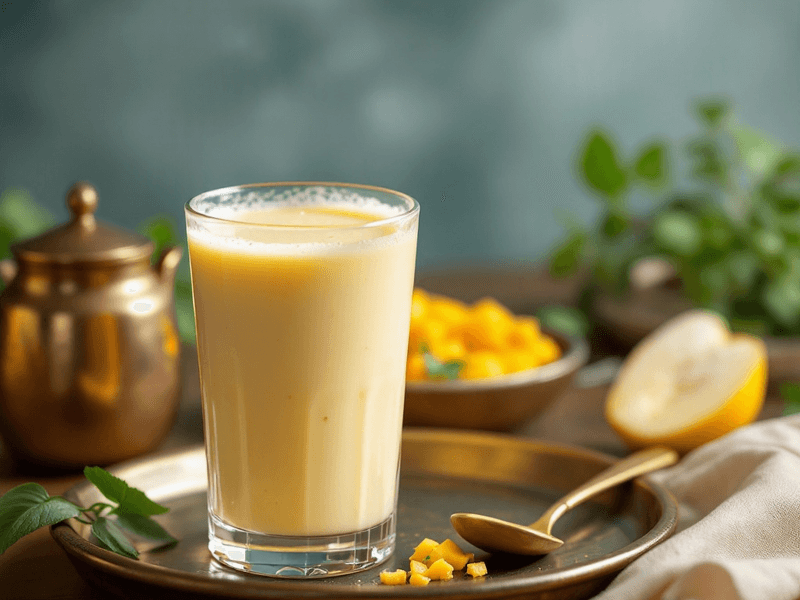
📸 Image coming soon for Evaporated Milk
Evaporated Milk
Beverages • India
How to Make Evaporated Milk (Traditional & Healthy Version)
Evaporated milk, known as 'gadha doodh' in Hindi, is a staple in many Indian households, especially for festive occasions and traditional recipes. Unlike condensed milk, evaporated milk contains no added sugar, making it a versatile ingredient for both sweet and savory Indian dishes. Its creamy texture and rich taste enhance everything from chai to desserts like kheer and rasmalai. Originating from the need to preserve milk in warmer climates, evaporated milk has become integral to Indian cuisine, especially in regions where fresh milk may not always be available. In India, evaporated milk is cherished for its ability to impart richness without overwhelming sweetness, making it suitable for health-conscious individuals. It is often used during festivals like Diwali and Holi, when families prepare elaborate sweets that require a thick, creamy base. This homemade version is free from preservatives and can be customized to suit dietary requirements, ensuring both authenticity and nutrition. The process involves slow simmering of whole milk ('doodh'), allowing water to evaporate and leaving behind a concentrated, creamy liquid that embodies the essence of Indian dairy traditions.
Ingredients(for 1 small glass (120 ml))
- 2 cups Whole milk (doodh)
- 2 pods Green cardamom (elaichi) - optional
- 4-5 strands Saffron strands (kesar) - optional
- 1 tsp Jaggery powder (gur) - optional
- 1 tbsp Skim milk powder (optional for thicker texture) - optional
- 1/2 tsp Rose water (gulab jal) - optional
- 1 tsp, finely chopped Almonds (badam) - optional
- 1 tsp, finely chopped Pistachios (pista) - optional
Instructions
- 1
Pour whole milk (doodh) into a thick-bottomed kadhai or saucepan and place on medium heat.
2 minutes
Use a heavy vessel to prevent milk from sticking or burning.
- 2
Bring milk to a gentle boil, then reduce heat to low. Stir frequently, scraping sides to prevent malai formation.
10 minutes
Continuous stirring ensures even evaporation and prevents scorching.
- 3
Add green cardamom (elaichi) and saffron strands (kesar) for aroma and flavor, if desired.
2 minutes
Crush cardamom pods slightly before adding for better infusion.
- 4
Continue simmering until milk reduces by about half. If a thicker texture is preferred, whisk in skim milk powder.
5 minutes
Monitor consistency closely; thicker milk works best for desserts.
Why This Dish is Healthy
This evaporated milk recipe is a healthy alternative to store-bought versions, as it limits added sugars and uses wholesome, natural ingredients. The controlled evaporation process retains most of the milk's nutrients while reducing unnecessary calories. When served in moderation, it fits well into vegetarian, weight management, and diabetic diets, especially when sweetened with jaggery instead of refined sugar. Its versatility makes it a nutritious base for many traditional Indian dishes.
Evaporated milk provides a concentrated source of protein, calcium, and vitamin B12, essential for bone health and energy metabolism. By avoiding added sugars and using natural flavorings like cardamom and saffron, this recipe remains heart-friendly. Almonds and pistachios add healthy fats and micronutrients. Skim milk powder can enhance protein content without increasing fat, making this beverage suitable for balanced diets. The absence of preservatives and artificial flavors further supports overall wellness.
Pro Tips
- 💡Tip 1: Stir continuously to prevent milk from sticking and burning.
- 💡Tip 2: Use fresh, full-fat milk for the creamiest texture.
- 💡Tip 3: Add flavorings only after milk has reduced for best aroma and taste.
Storage & Serving
Store evaporated milk in a clean, airtight glass bottle in the refrigerator for up to 3 days. Always use a dry spoon to avoid contamination. Shake gently before use to redistribute any settled cream.
Best served: Breakfast or Lunch
Nutrition Facts
| Nutrient | Per 100g |
|---|---|
| Energy | 40.0 kcal |
| Protein | 6.8 g |
| Carbohydrates | 10.0 g |
| Total Fat | 7.6 g |
| Fiber | 0.0 g |