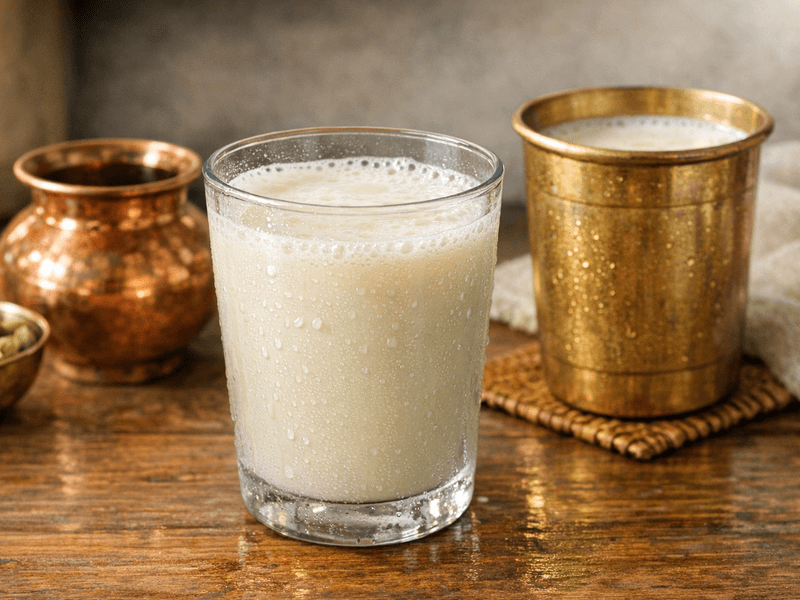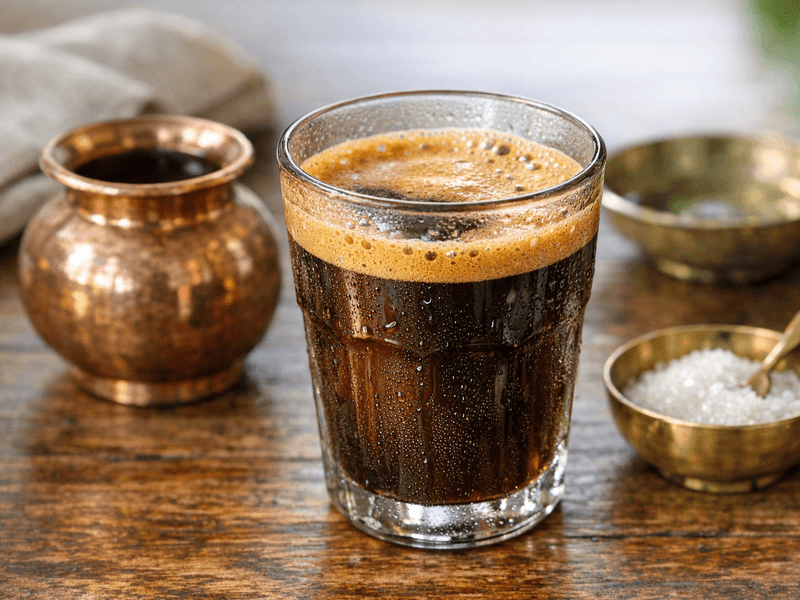
Espresso with Sugar
Beverages • India
How to Make Espresso with Sugar (Traditional & Healthy Version)
Espresso with Sugar is a beloved beverage that has found its place in the Indian café culture, particularly among urban households and youth. While espresso originated globally, its adaptation in India is unique, often enjoyed with a touch of sugar to balance the strong, bold flavor of the coffee. Indian coffee houses, especially in South India, are renowned for their rich coffee traditions, and espresso has become a popular choice during festivals and gatherings, offering a quick energy boost and a moment of relaxation. The use of sugar adds a gentle sweetness, making this drink approachable for those who prefer their coffee less bitter. In India, espresso is often served in small cups, known as “chota cup,” making it perfectly portioned for a midday break or after a hearty meal. It’s a great option for those seeking a concentrated coffee experience without the heaviness of milk-based drinks. With its robust taste and simple ingredients, Espresso with Sugar is ideal for health-conscious individuals who want to enjoy coffee without excess calories. Whether shared with friends during Diwali or enjoyed solo while working, this beverage fits seamlessly into the Indian lifestyle, offering warmth and comfort.
Ingredients(for 1 chota cup (approx. 60 ml) per serving)
- 2 tablespoons Freshly ground coffee beans (South Indian filter coffee or espresso roast)
- 120 ml Water (filtered jal)
- 2 teaspoons Sugar (chini)
- a pinch Cardamom powder (elaichi) - optional
- a pinch Cinnamon powder (dalchini) - optional
- a tiny pinch Salt (namak) - optional
- as required Coffee filter or espresso machine (manual or electric)
- 2 Serving cups (chota cups)
- 1 teaspoon Optional: jaggery powder (gur) - optional
- 1 teaspoon Optional: low-calorie sweetener (as per taste) - optional
Instructions
- 1
Measure 2 tablespoons of freshly ground coffee beans. Use South Indian filter coffee or espresso roast for authentic flavor.
2 minutes
For maximum aroma, grind beans just before brewing.
- 2
Boil 120 ml filtered jal (water) in a saucepan or use your espresso machine to heat the water.
5 minutes
Use mineral-rich water for enhanced taste.
- 3
Place the ground coffee into the coffee filter or espresso machine portafilter. Tamp the coffee lightly to ensure even extraction.
3 minutes
Avoid over-tamping to prevent bitter taste.
- 4
Pour hot water over the coffee grounds and allow espresso to brew for 25-30 seconds. If using a manual filter, let it drip until you get two servings.
5 minutes
Use a timer for consistent results.
Why This Dish is Healthy
This recipe is a healthy choice because it avoids the caloric density of creamy, milk-based beverages and emphasizes pure coffee, which is rich in antioxidants. Using filtered water and moderate sugar ensures a beverage that is light and energizing without excess calories. Optional spice additions contribute further health benefits. For weight loss or diabetes management, sugar can be replaced with low-GI sweeteners, making it adaptable for various dietary needs.
Espresso with Sugar is naturally low in calories and fat when consumed without milk or cream. Coffee provides antioxidants, such as chlorogenic acid, which may support metabolism and cardiovascular health. The addition of spices like cardamom and cinnamon offers anti-inflammatory properties and micronutrients. Sugar should be used in moderation to maintain blood sugar levels, or replaced with healthier alternatives such as jaggery or stevia. The beverage contains minimal carbohydrates and virtually no fats, making it suitable for calorie-conscious individuals.
Pro Tips
- 💡Tip 1: Use freshly ground coffee for optimal aroma and flavor.
- 💡Tip 2: Experiment with regional spices like elaichi or dalchini for a unique twist.
- 💡Tip 3: Pre-warm serving cups to enhance the drinking experience.
Storage & Serving
Espresso is best consumed immediately after preparation. If storing, keep in a thermos for up to 1 hour to maintain temperature and flavor. Avoid refrigeration as it alters taste.
Best served: Breakfast or Lunch
Nutrition Facts
| Nutrient | Per 100g |
|---|---|
| Energy | 30.0 kcal |