English Breakfast Tea with Milk Without Sugar
Beverages • India
How to Make English Breakfast Tea with Milk Without Sugar (Traditional & Healthy Version)
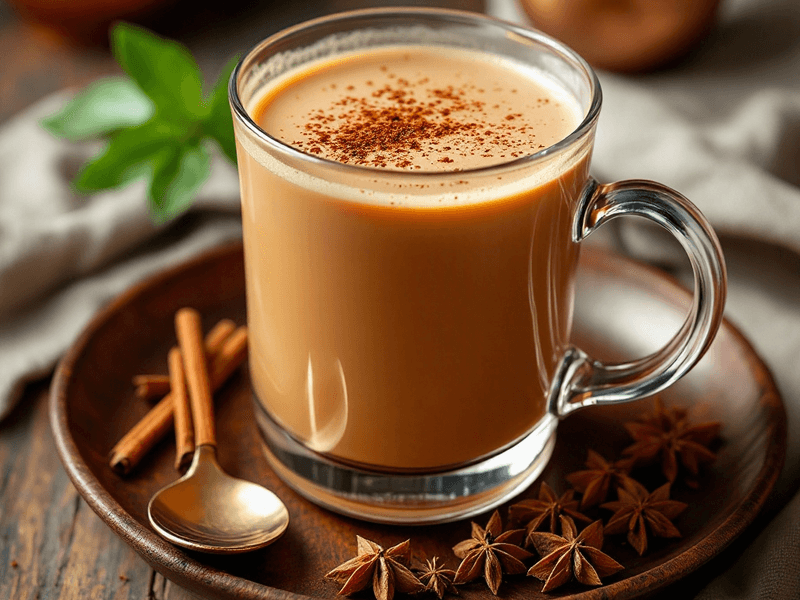
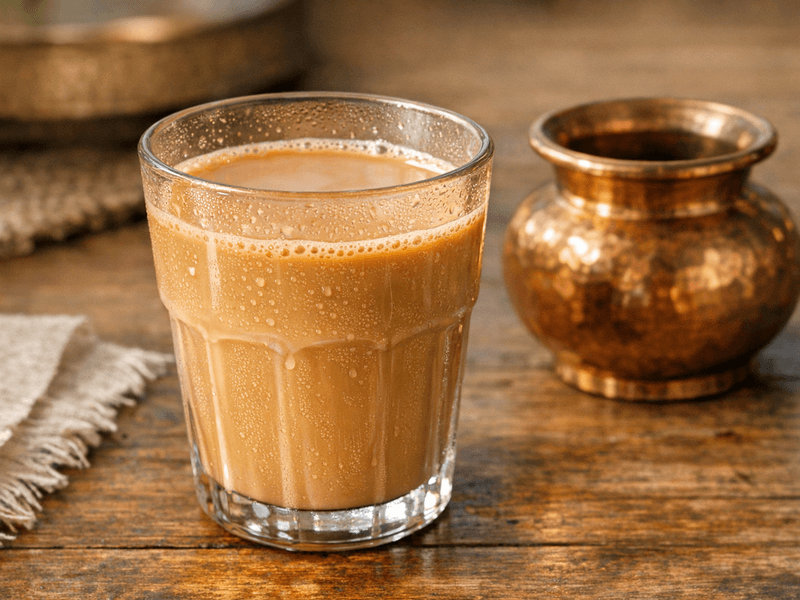
English Breakfast Tea with Milk, known as 'chai' in many parts of India, is a beloved morning beverage that blends robust black tea leaves with creamy milk. While its origins trace back to the British era, Indian households have adapted this tea to suit local tastes, often using Assam or Darjeeling tea leaves. The version without sugar is gaining popularity for its health-conscious appeal, making it a favorite among those tracking their calorie intake. The taste is full-bodied and aromatic, with the natural sweetness of milk balancing the strong tea notes. In India, tea is more than just a drink—it’s a ritual that brings families together, especially during breakfast or evening snacks. English Breakfast Tea with Milk is commonly served at home, in offices, and at roadside 'chaiwallas'. It is also offered during festivals like Diwali or Holi, when guests are welcomed with a hot cup of chai. This recipe is tailored for those seeking a classic Indian tea experience with a healthy twist, making it suitable for calorie-conscious individuals without compromising on authentic flavor.
Ingredients(for 1 medium cup (180 ml) per serving)
- 2 teaspoons Assam or Darjeeling tea leaves (Strong Indian tea, called 'chai patti')
- 2 cups Water (Filtered)
- 1 cup Milk (Low-fat or 'toned dhoodh' preferred)
- 2 Cardamom pods (Elaichi, lightly crushed) - optional
- 1 inch Cinnamon stick (Dalchini, optional for aroma) - optional
- 1/2 inch Ginger piece (Adrak, grated, optional) - optional
- 2 Cloves (Laung, optional) - optional
- 2 Black peppercorns (Kali mirch, optional) - optional
- 1 Tea strainer (Channi)
Instructions
- 1
Boil water in a saucepan (patila) over medium flame.
5 minutes
Use fresh filtered water for best taste.
- 2
Add tea leaves (chai patti) to the boiling water and let it simmer for 2-3 minutes.
3 minutes
Do not overboil; it can make the tea bitter.
- 3
Add optional spices—elaichi, dalchini, adrak, laung, kali mirch—for enhanced flavor.
2 minutes
Crush spices slightly before adding to release aroma.
- 4
Pour in low-fat milk (toned dhoodh) and continue simmering. Stir occasionally.
5 minutes
Keep the flame low to avoid milk boiling over.
Why This Dish is Healthy
By skipping sugar and using low-fat milk, this recipe reduces calorie intake while preserving essential nutrients. The antioxidants in tea boost immunity, and milk provides sustained energy and satiety. It’s a perfect beverage for health-conscious individuals, supporting weight loss and blood sugar management, making it one of the healthiest ways to enjoy Indian chai.
This tea is naturally low in calories and fat, especially when made with toned dhoodh (low-fat milk) and no sugar. Black tea is rich in antioxidants (polyphenols) that support heart health, while milk adds protein, calcium, and vitamin D. Optional spices like ginger and cardamom offer anti-inflammatory properties and aid digestion. The absence of sugar makes it suitable for diabetics, weight watchers, and those seeking better metabolic health.
Pro Tips
- 💡Tip 1: Use fresh Assam or Darjeeling tea leaves for authentic flavor.
- 💡Tip 2: Brew tea for just the right amount of time to prevent bitterness.
- 💡Tip 3: Adjust milk-to-water ratio for your preferred strength and creaminess.
Storage & Serving
Consume immediately for best taste. If needed, store in a flask for up to 2 hours. Do not refrigerate; reheating can affect flavor.
Best served: Breakfast or Lunch
Nutrition Facts
| Nutrient | Per 100g |
|---|---|
| Energy | 40.0 kcal |