Curd
Beverages • India
About Curd
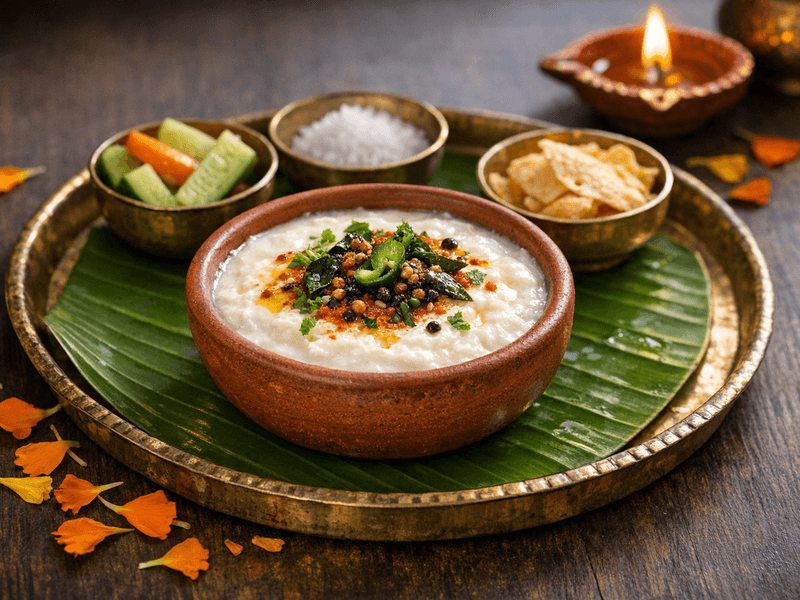
Plain cow milk curd (dahi/yogurt) — traditional Indian fermented dairy set at home or sold packaged. Rich in protein, calcium, and probiotics. Cooling and easy to digest; the base for raita, lassi, kadhi, and South Indian curd rice.
How to Make Curd (Dahi) at Home – Traditional & Healthy Version
Curd, known as 'Dahi' in Hindi, is a beloved Indian fermented milk product that forms the cornerstone of countless Indian meals. Revered for its cooling properties and creamy texture, curd is enjoyed across all regions of India, from the thick 'Mishti Doi' in Bengal to the tangy 'Mor' in Tamil Nadu. Whether served plain, sweetened, or spiced as raita, curd is a daily staple found on every Indian thali and is especially popular during the harsh summer months for its digestive and soothing benefits. The process of making curd is simple, relying on natural fermentation with just milk and a starter culture. This makes it an accessible and economical choice for Indian households, where setting fresh dahi every night is a cherished ritual. Curd is a key ingredient in festive meals, used in dishes like 'Shrikhand' during Janmashtami and as a cooling accompaniment during Holi and Navratri fasts. Its mildly tangy flavor and smooth consistency make it a versatile base for beverages like lassi and chaas, or as a side for spicy curries and biryanis. Opting to make curd at home is a healthy and authentic choice, allowing you to control the quality of milk and avoid unnecessary preservatives. Homemade dahi is rich in probiotics, calcium, and protein, making it a nourishing addition to any vegetarian diet. With this traditional recipe, you'll learn how to make perfectly set curd that is both delicious and packed with health benefits.
Ingredients(for 1 katori (about 150ml) per serving)
- 500 ml Full cream milk (doodh)
- 1 tablespoon Curd starter (previously set dahi or store-bought curd)
- 1/4 teaspoon Elaichi powder (optional, for mild flavor) - optional
- 1 teaspoon Sugar (optional, for sweet dahi) - optional
- 1 tablespoon Chopped nuts (badam, pista (optional, for garnish)) - optional
- few Fresh mint leaves (pudina, for garnish) - optional
Instructions
- 1
Boil the milk (doodh) in a heavy-bottomed vessel until it comes to a gentle boil. Stir occasionally to prevent burning.
10 minutes
Use fresh, full cream milk for best texture. Boiling ensures safety and better fermentation.
- 2
Let the milk cool down until it is just warm to the touch (lukewarm, about 40°C). Do not add starter to hot milk, or curd will turn grainy.
10 minutes
Dip your finger—milk should feel warm, not hot. Hot milk kills the culture, cold milk won't set.
- 3
Add the curd starter (previously set dahi or store-bought curd) to a clean bowl. Whisk it gently to break lumps.
2 minutes
Use a well-set, fresh starter for best results. Do not use sour or old curd as starter.
- 4
Pour the lukewarm milk into the bowl with the starter. Mix thoroughly but gently, ensuring even distribution.
2 minutes
Stir in one direction for a creamier curd.
Why This Dish is Healthy
This homemade curd recipe is a healthy choice because it uses minimal ingredients, no artificial additives, and allows control over fat content by choosing the type of milk. The probiotics in dahi improve gut flora, making it excellent for digestion and immunity. Regular consumption of curd can help in managing cholesterol, promoting satiety, and keeping calories in check when consumed plain or with natural toppings.
Curd (dahi) is a nutritional powerhouse, loaded with high-quality protein, calcium for strong bones, and essential B vitamins. The live probiotics present in homemade curd aid in digestion, boost immunity, and support gut health. It's naturally low in carbohydrates and can be enjoyed by those on weight management or diabetic diets. Curd also contains magnesium, potassium, and beneficial fats that contribute to heart health and overall well-being.
Pro Tips
- 💡Tip 1: Always use fresh, full cream milk for rich and creamy curd.
- 💡Tip 2: In winter, place the bowl in a slightly warm oven (switched off) to help set the curd.
- 💡Tip 3: For thicker dahi, strain the curd in a muslin cloth for a few hours to make 'hung curd'.
Storage & Serving
Store homemade curd in an airtight container in the refrigerator. Consume within 2-3 days for best taste and probiotic benefits. Keep away from strong odors to avoid flavor change.
Best served: Breakfast or Lunch
Nutrition Facts
| Nutrient | Per 100g |
|---|---|
| Energy | 60.0 kcal |
| Protein | 3.0 g |
| Carbohydrates | 5.0 g |
| Total Fat | 3.0 g |
| Fiber | 0.0 g |