A2 Cow Milk
Beverages • India
How to Make A2 Cow Milk (Traditional & Healthy Version)
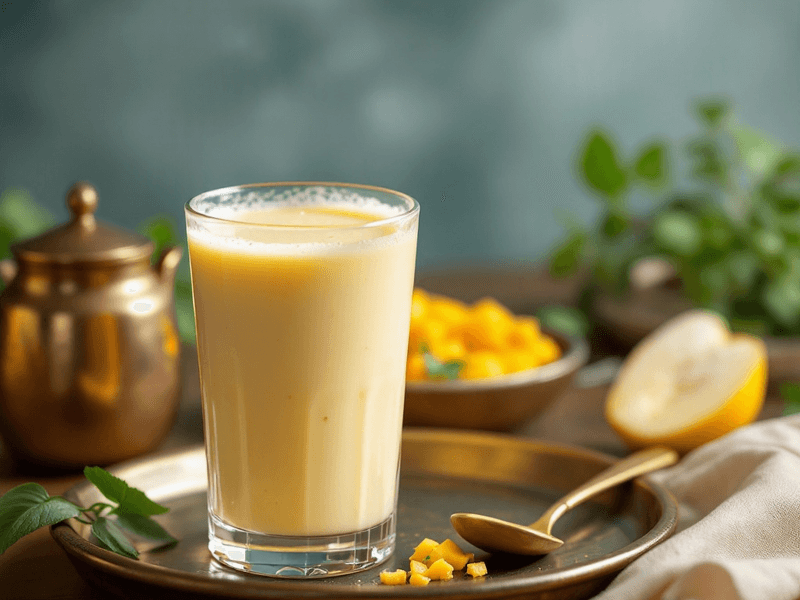
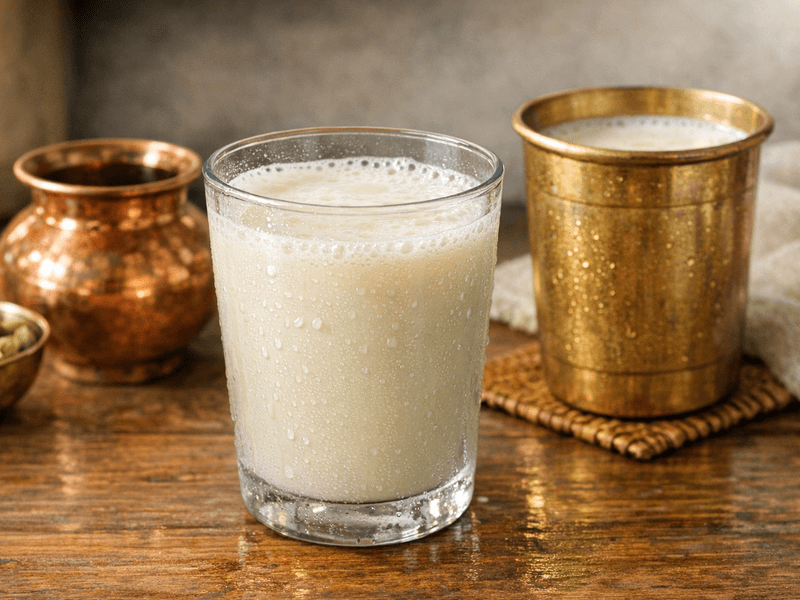
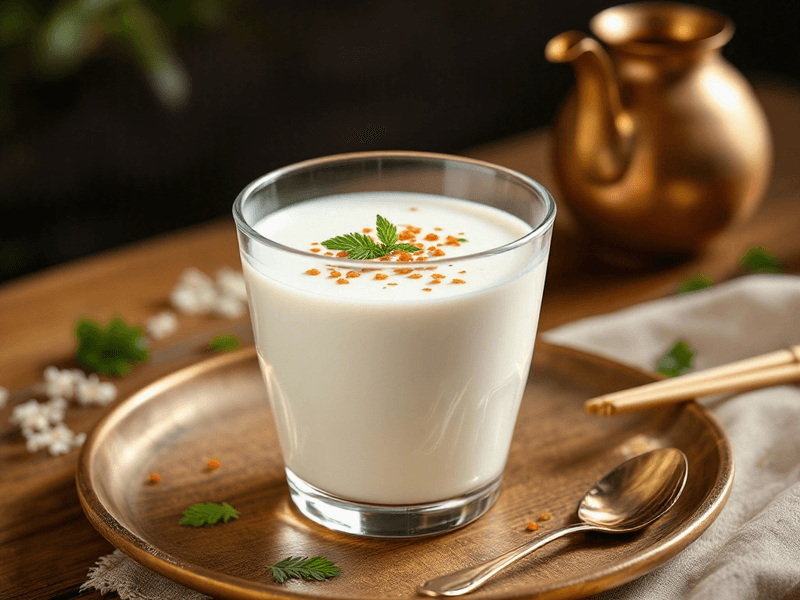
A2 Cow Milk is a revered beverage in Indian households, celebrated for its purity, rich taste, and nutritional benefits. Originating from indigenous Indian cow breeds like Gir and Sahiwal, A2 Cow Milk is known for its unique A2 beta-casein protein, which is believed to be easier to digest. This wholesome milk is often served plain, but can also be lightly flavored with spices such as elaichi (cardamom), kesar (saffron), and a touch of honey, reflecting the diverse culinary traditions of India. In India, A2 Cow Milk is more than just a drink—it is an integral part of daily rituals, festive celebrations, and ayurvedic practices. Its creamy texture and naturally sweet flavor make it perfect for morning breakfasts or as a nourishing beverage during festivals like Diwali, Holi, and Janmashtami, where milk-based drinks are offered to deities and loved ones. Choosing A2 Cow Milk supports traditional farming methods and promotes health-conscious living, making it a great addition to a balanced Indian diet. This recipe is tailored for calorie-conscious individuals, enhancing the natural goodness of A2 Cow Milk with warming spices and minimal sweetener, without compromising on authenticity. Whether enjoyed warm in winter or chilled in summer, it is a delightful beverage suitable for all age groups, reflecting the essence of Indian culture and wellness.
Ingredients(for 1 glass (200ml))
- 2 cups (400ml) A2 Cow Milk (Desi cow milk (Gir, Sahiwal))
- 2 pods Elaichi (Cardamom) (Crushed)
- 4-5 strands Kesar (Saffron) (Optional for aroma) - optional
- 1 tablespoon Honey (Raw, for sweetness (can substitute with jaggery))
- 1/4 teaspoon Haldi (Turmeric) (Optional, for health) - optional
- Pinch Black Pepper (Optional, for flavor and absorption) - optional
- 2 Badam (Almonds) (Finely chopped) - optional
- 2 Pista (Pistachios) (Finely chopped) - optional
- 1/2 teaspoon Rose Water (Optional for fragrance) - optional
- 2 tablespoons Water (For soaking saffron) - optional
Instructions
- 1
Soak saffron strands in 2 tablespoons of warm water for 10 minutes to release color and aroma.
10 minutes
Use fresh, high-quality kesar for best fragrance.
- 2
Pour A2 Cow Milk into a heavy-bottomed vessel and bring to a gentle boil over medium flame.
5 minutes
Stir occasionally to prevent milk from sticking to the bottom.
- 3
Add crushed elaichi pods and soaked saffron (with water) to the boiling milk. Stir well.
2 minutes
Adding spices early infuses flavor deeply.
- 4
Reduce heat and simmer for 5 minutes, allowing flavors to blend and milk to thicken slightly.
5 minutes
Simmering enhances richness and taste.
Why This Dish is Healthy
This recipe leverages the pure, natural goodness of A2 Cow Milk, which is free from synthetic additives and antibiotics commonly found in mass-produced milk. It combines traditional Indian spices and nuts, offering anti-inflammatory and digestive benefits. The use of honey or jaggery as a sweetener ensures lower glycemic impact, supporting weight management and diabetic-friendly diets. The nutrient-rich profile makes it a wholesome choice for all ages.
A2 Cow Milk is rich in high-quality protein, calcium, vitamin D, and essential minerals like phosphorus and magnesium. It contains A2 beta-casein, which is considered easier to digest compared to A1 milk. The addition of elaichi, kesar, haldi, and nuts enhances antioxidant content, supports immunity, and promotes heart health. Honey provides natural sweetness while being lower in calories than refined sugar, making this beverage suitable for calorie-conscious and health-focused individuals.
Pro Tips
- 💡Tip 1: Use fresh, unprocessed A2 Cow Milk for the richest flavor and highest nutritional value.
- 💡Tip 2: Add sweetener after removing from heat to retain its natural enzymes.
- 💡Tip 3: For festive occasions, garnish with silver vark for traditional flair.
Storage & Serving
Store prepared milk in a covered container in the refrigerator for up to 24 hours. Always use fresh A2 Cow Milk for best results. Avoid leaving milk unrefrigerated to prevent spoilage.
Best served: Breakfast or Lunch
Nutrition Facts
| Nutrient | Per 100g |
|---|---|
| Energy | 150.0 kcal |
| Protein | 3.2 g |
| Carbohydrates | 4.8 g |
| Total Fat | 4.0 g |
| Fiber | 0.0 g |
| Sugars | 4.8 g |
| Iron | 0.0 mg |
| Calcium | 120.0 mg |
| Sodium | 44.0 mg |
| Potassium | 150.0 mg |
| Cholesterol | 14.0 mg |
| Vitamin A | 47.0 IU |
| Vitamin C | 1.0 mg |
| Magnesium | 11.0 mg |
| Zinc | 0.4 mg |
| Phosphorus | 95.0 mg |
| Vitamin D | 0.1 IU |
| Vitamin B1 (Thiamine) | 0.0 mg |
| Vitamin B2 (Riboflavin) | 0.2 mg |
| Vitamin B3 (Niacin) | 0.1 mg |
| Vitamin B6 | 0.0 mg |
| Vitamin B12 | 0.4 µg |
| Folate | 5.0 µg |