Coconut Milk For Cooking
Beverages • India
How to Make Coconut Milk For Cooking (Traditional & Healthy Version)
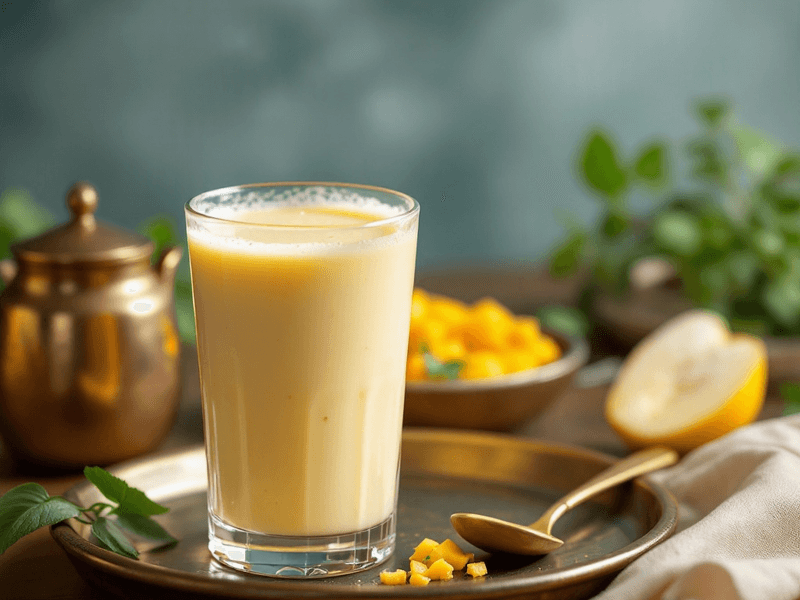
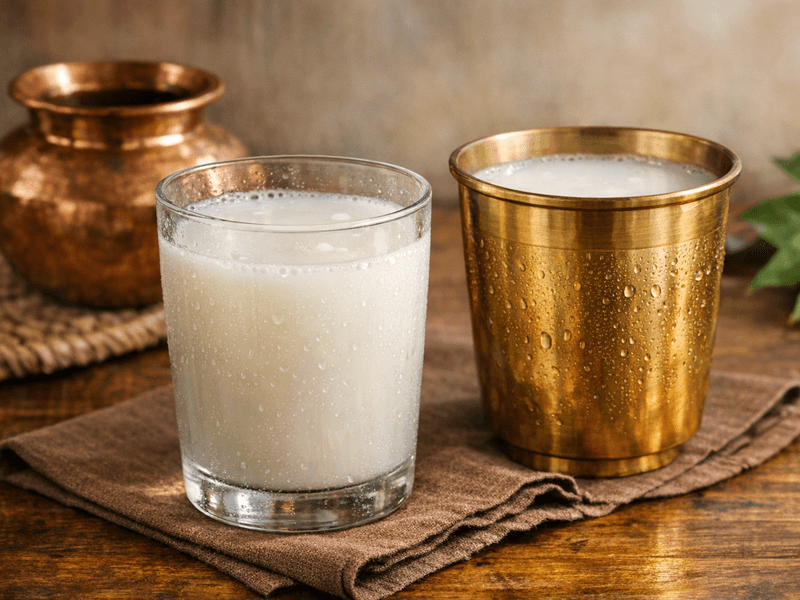
Coconut milk, known as 'nariyal doodh' in Hindi and 'thengai paal' in Tamil, is a staple ingredient in South Indian cuisine. Rich, creamy, and naturally sweet, coconut milk is used extensively in Kerala, Tamil Nadu, and coastal Karnataka for curries, payasam, and even festive dishes. Its origins trace back to the lush coconut groves of the Malabar Coast, where coconuts are harvested year-round. The process of extracting fresh coconut milk is both traditional and revered, especially during Onam, Vishu, and Pongal, when coconut-based dishes feature prominently. Coconut milk brings a smooth, velvety texture to gravies, stews, and beverages, balancing spices with its subtle sweetness. Unlike commercial versions, homemade coconut milk is free from preservatives and additives, making it a healthier choice for Indian kitchens. It enhances the flavor of regional specialties like avial, meen curry, and payasam, making it an essential ingredient for authentic South Indian recipes. Whether used for cooking or as a beverage, coconut milk embodies the richness of Indian coastal cuisine and is celebrated for its versatility and nourishing qualities.
Ingredients(for 1 cup (240 ml) coconut milk)
- 1 medium Fresh coconut (nariyal / thengai)
- 2 cups Warm water (garam paani)
- 2 Cardamom pods (elaichi (optional, for flavor)) - optional
- a pinch Salt (namak (optional, for savory recipes)) - optional
- 1 tsp Sugar (cheeni (optional, for beverage)) - optional
- 1 piece Muslin cloth (for straining)
- 1 Mixing bowl (katori)
- 1 Blender (mixer)
- 1 Storage container (airtight dabba)
Instructions
- 1
Break the fresh coconut and remove the white flesh from the shell. Chop into small pieces.
5 minutes
Use a sharp knife for easy removal.
- 2
Add the coconut pieces to a blender along with 1 cup warm water. Blend until you get a smooth paste.
5 minutes
Blend in pulses for an even texture.
- 3
Place a muslin cloth over a mixing bowl. Pour the blended coconut paste onto the cloth.
3 minutes
Ensure the cloth is clean and dry.
- 4
Gather the edges of the muslin cloth and squeeze firmly to extract the first thick coconut milk (first extract).
2 minutes
Apply steady pressure for maximum yield.
Why This Dish is Healthy
Homemade coconut milk is a nutrient-dense, plant-based alternative to dairy and processed creamers. Its healthy fats can aid in satiety, making it suitable for weight management and vegetarian diets. When prepared fresh, it retains more micronutrients compared to store-bought versions, supporting overall wellness. It’s lactose-free, making it perfect for those with dairy sensitivities.
Coconut milk is naturally rich in healthy fats, especially medium-chain triglycerides (MCTs), which can support metabolism and provide sustained energy. It contains essential minerals such as potassium, magnesium, and iron, along with small amounts of protein and carbohydrates. The fresh, homemade version is free from preservatives and additives, making it ideal for health-conscious cooking. Coconut milk also contains antioxidants that may help reduce inflammation.
Pro Tips
- 💡Tip 1: Use mature coconuts for richer, creamier milk.
- 💡Tip 2: Always use warm water, not hot, to extract maximum flavor.
- 💡Tip 3: Extract milk just before cooking for best taste and nutrition.
Storage & Serving
Store freshly extracted coconut milk in an airtight container in the refrigerator. Use within 2 days for optimum freshness. Separation is natural; stir or shake before use. Do not freeze as texture changes.
Best served: Breakfast or Lunch
Nutrition Facts
| Nutrient | Per 100g |
|---|---|
| Energy | 90.0 kcal |
| Protein | 2.0 g |
| Carbohydrates | 4.0 g |
| Total Fat | 19.0 g |
| Fiber | 1.0 g |