Coconut Milk
Beverages • India
How to Make Coconut Milk (Traditional & Healthy Version)
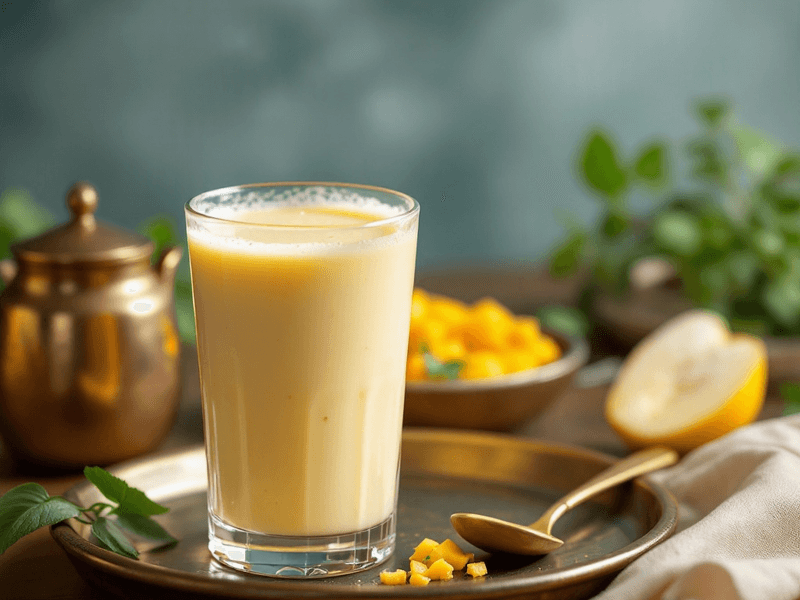
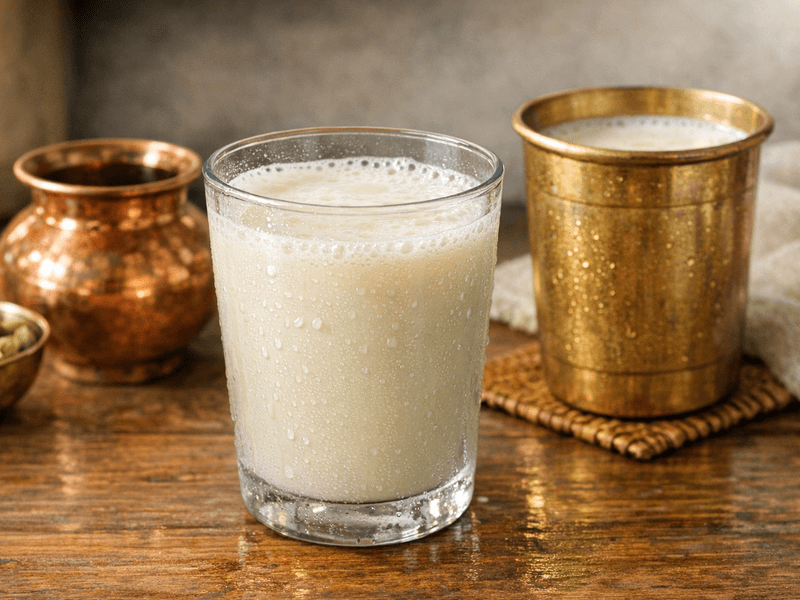
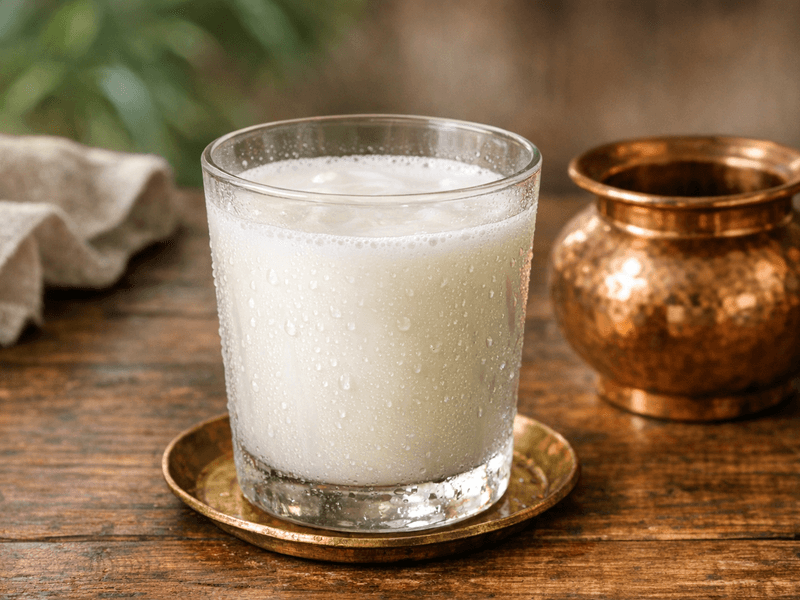
Coconut Milk, known as 'nariyal ka doodh' in Hindi, is a cherished beverage and ingredient across India, especially in coastal regions like Kerala, Tamil Nadu, and Goa. Traditionally prepared by extracting the creamy essence from freshly grated coconut, coconut milk is renowned for its smooth texture, subtle sweetness, and rich aroma. It forms the backbone of countless Indian dishes, from curries to desserts, but also serves as a refreshing standalone drink. In India, coconut milk is not just a culinary staple but also an integral part of cultural and religious ceremonies. It is commonly made during festivals such as Onam and Pongal, where it enhances the flavors of festive delicacies, and is believed to embody purity and nourishment. This healthy and authentic recipe focuses on the pure taste of coconut milk, extracted without preservatives or additives. It’s a wonderful option for those seeking plant-based beverages, and is perfect for health-conscious individuals tracking their calories. The process of making coconut milk at home is simple, requiring only a few ingredients and basic kitchen equipment—making it accessible to anyone wanting to enjoy a nutritious, traditional Indian drink. With its creamy consistency and natural sweetness, homemade coconut milk can be enjoyed as a beverage or used in a variety of vegetarian dishes, making it a versatile addition to any Indian kitchen.
Ingredients(for 1 cup (approx. 200ml))
- 1 medium Fresh coconut (nariyal) (preferably mature coconut, grated)
- 2 cups Warm water (garam pani) (for extraction)
- 2 pods Cardamom (elaichi) (for flavor) - optional
- 1 tbsp Jaggery (gur) (optional, for sweetness) - optional
- a pinch Salt (namak) (optional, enhances flavor) - optional
- 4-5 strands Saffron strands (kesar) (optional, for aroma) - optional
- 1/4 tsp Vanilla essence (optional, for a modern touch) - optional
- as needed Ice cubes (for serving chilled) - optional
Instructions
- 1
Break open the fresh coconut and grate it using a traditional grater (khalbatta or chakki).
5 minutes
Ensure the coconut is mature for richer milk.
- 2
Place the grated coconut in a mixing bowl. Add 1 cup of warm water and let it soak for 5 minutes.
5 minutes
Warm water helps extract more milk and flavor.
- 3
Using clean hands or a muslin cloth (malmal ka kapda), squeeze the coconut to extract the thick first milk (nariyal ka pehla doodh). Set aside.
5 minutes
Use a muslin cloth for a smoother texture.
- 4
Add remaining grated coconut back to the bowl, pour another cup of warm water, and repeat the extraction for thinner second milk.
5 minutes
Second extraction is lighter; combine with first milk for desired consistency.
Why This Dish is Healthy
This recipe uses only fresh coconut and water, avoiding preservatives and refined sugars. By controlling the sweetness and flavoring, you can tailor the beverage to dietary needs. Coconut milk is plant-based, lactose-free, and suitable for vegetarian and vegan diets. Its healthy fats support satiety and metabolic health, making it ideal for weight management and overall well-being.
Coconut milk is an excellent source of healthy fats, particularly medium-chain triglycerides (MCTs), which support energy and metabolism. It provides essential minerals like magnesium, potassium, and iron, along with vitamins C and E. While it’s naturally low in carbohydrates and free of cholesterol, coconut milk also contains fiber and antioxidants that support heart health and immune function. Homemade coconut milk is free from additives, making it a pure and wholesome choice for those tracking their macros.
Pro Tips
- 💡Tip 1: Use mature coconut for richer and creamier milk.
- 💡Tip 2: Strain twice for a smooth, residue-free beverage.
- 💡Tip 3: Customize sweetness and flavorings to suit regional preferences.
Storage & Serving
Store homemade coconut milk in a glass container in the refrigerator. Consume within 2-3 days for best taste and freshness. Shake before use as natural separation may occur.
Best served: Breakfast or Lunch
Nutrition Facts
| Nutrient | Per 100g |
|---|---|
| Energy | 150.0 kcal |