Assam Tea
Beverages • India
How to Make Assam Tea (Traditional & Healthy Version)
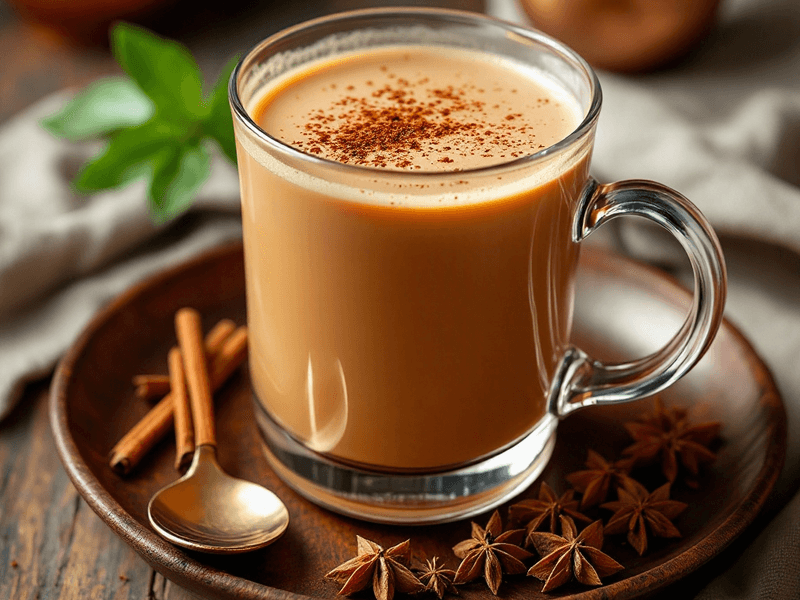
Assam Tea, locally known as Assam Chai, is an iconic Indian beverage originating from the lush, misty valleys of Assam in Northeast India. Celebrated for its briskness, malty flavor, and bold character, Assam Tea holds a special place in Indian households, especially during early mornings and evening tea times. Its deep amber color and robust taste make it a favorite among chai lovers across the nation. Assam Tea is more than just a drink—it's an experience that brings families together and sparks lively conversations. Traditionally, Assam Tea is prepared using loose leaf black tea grown in the Brahmaputra valley, combined with water, milk (doodh), and sometimes a hint of natural sweetener like honey or jaggery (gur). Its energizing properties make it an ideal beverage to kickstart the day or to be savored during light snacks. Assam Tea is commonly served during Indian festivals like Bihu in Assam, where it symbolizes warmth and hospitality. Its authentic preparation is simple, health-conscious, and deeply rooted in Indian culture.
Ingredients(for 1 cup (approx. 150 ml))
- 2 teaspoons Assam black tea leaves (Assam chai patti)
- 2 cups Water (pani)
- 1/2 cup Low-fat milk (doodh)
- 2 Green cardamom pods (elaichi) - optional
- 1/2 inch piece, crushed Ginger (adrak) - optional
- 1 teaspoon Honey (shahad) - optional
- 1 teaspoon Jaggery (gur; alternative to honey) - optional
- 1 small stick Cinnamon stick (dalchini, optional) - optional
- 1-2 crushed Black pepper (kali mirch, optional) - optional
Instructions
- 1
Pour 2 cups of water into a saucepan (patila) and bring it to a boil over medium heat.
3 minutes
Use filtered water for best flavor.
- 2
Add crushed ginger (adrak), cardamom pods (elaichi), cinnamon (dalchini), and black pepper (kali mirch) if using. Let the spices simmer for 2 minutes to infuse their flavors.
2 minutes
Lightly crush spices to release maximum aroma.
- 3
Add the Assam tea leaves (chai patti) to the boiling water. Allow it to simmer for 2-3 minutes until the water turns a deep amber color and the aroma is strong.
3 minutes
Do not over-boil; it can make the tea bitter.
- 4
Lower heat and pour in the low-fat milk (doodh). Let it come to a gentle boil, then simmer for another 2-3 minutes.
3 minutes
Stir occasionally to prevent milk from sticking.
Why This Dish is Healthy
This healthy Assam Tea recipe prioritizes natural ingredients, minimal fat, and the use of wholesome spices, making it an excellent beverage for individuals focused on wellness and weight management. The antioxidants in Assam tea leaves help combat oxidative stress, while natural sweeteners provide a healthier alternative to refined sugar. Including ginger and cardamom enhances metabolic benefits, making this chai not just delicious but nourishing.
Assam Tea is naturally rich in antioxidants, particularly catechins and flavonoids, which support heart health and boost immunity. The use of low-fat milk adds calcium and protein, while optional spices like ginger and cardamom aid in digestion and have anti-inflammatory properties. By using natural sweeteners such as honey or jaggery, the recipe minimizes refined sugar intake, making it suitable for calorie-conscious individuals. Assam Tea contains moderate caffeine, offering a gentle energy boost without the jitters.
Pro Tips
- 💡Tip 1: Always use fresh Assam tea leaves for the best flavor and aroma.
- 💡Tip 2: Adjust the strength by varying the steeping time, not by adding more leaves.
- 💡Tip 3: For a vegan version, replace milk with oat or almond milk.
Storage & Serving
Assam Tea is best enjoyed fresh. If needed, brewed tea can be refrigerated for up to 24 hours and reheated gently. Do not store with milk for long periods to prevent spoilage.
Best served: Breakfast or Lunch
Nutrition Facts
| Nutrient | Per 100g |
|---|---|
| Energy | 30.0 kcal |
| Protein | 0.1 g |
| Carbohydrates | 0.0 g |
| Total Fat | 0.0 g |
| Fiber | 0.0 g |
| Sugars | 0.0 g |
| Iron | 0.0 mg |
| Calcium | 2.0 mg |
| Sodium | 1.0 mg |
| Potassium | 18.0 mg |
| Cholesterol | 0.0 mg |
| Vitamin A | 0.0 IU |
| Vitamin C | 0.0 mg |
| Magnesium | 2.0 mg |
| Zinc | 0.0 mg |
| Phosphorus | 1.0 mg |
| Vitamin D | 0.0 IU |
| Vitamin B1 (Thiamine) | 0.0 mg |
| Vitamin B2 (Riboflavin) | 0.0 mg |
| Vitamin B3 (Niacin) | 0.0 mg |
| Vitamin B6 | 0.0 mg |
| Vitamin B12 | 0.0 µg |
| Folate | 1.0 µg |