1 Cup of Milk
Beverages • India
How to Make 1 Cup of Healthy Masala Doodh (Traditional & Healthy Version)
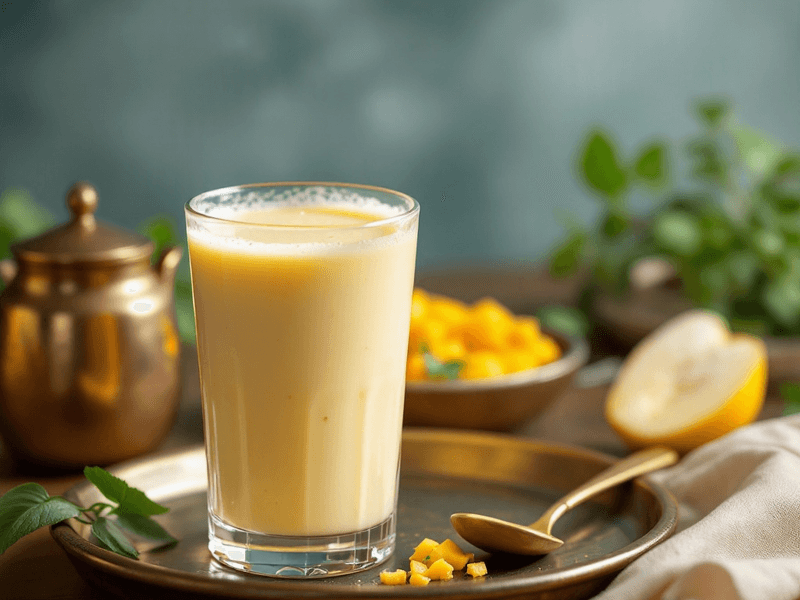
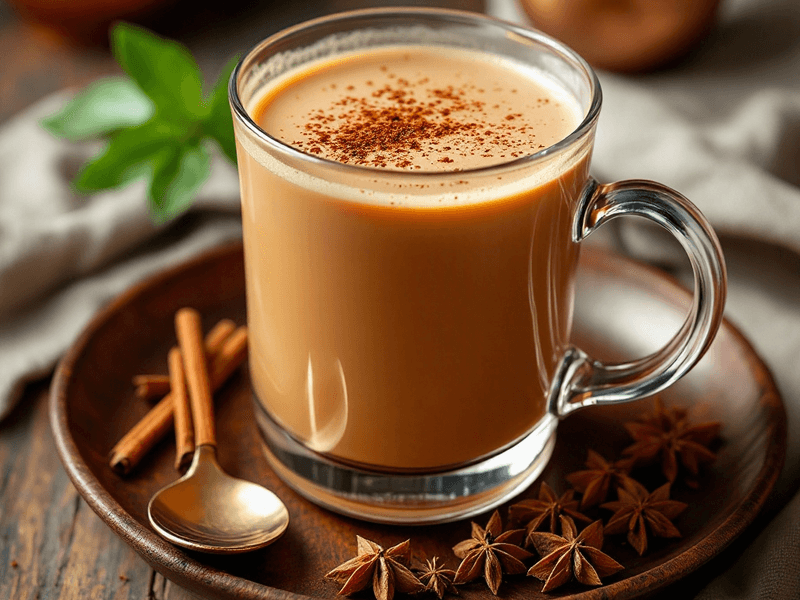
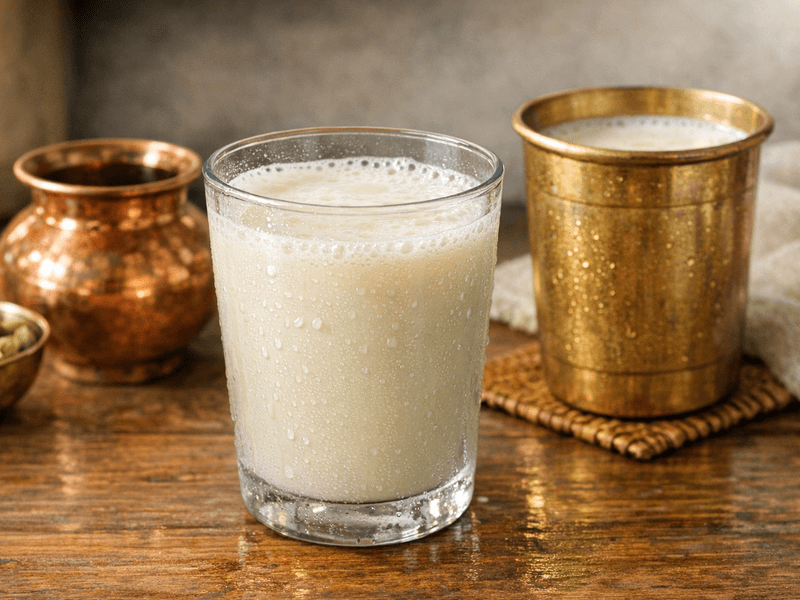
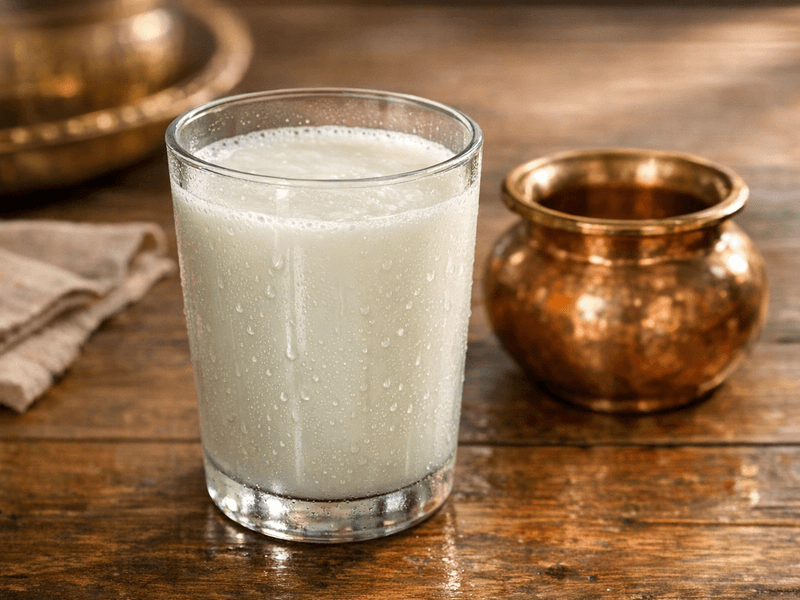
Masala Doodh, a fragrant and nutritious beverage, has been enjoyed across India for generations. Traditionally served during festivals like Diwali and Holi, Masala Doodh combines the goodness of full-fat milk (doodh) with a blend of warming spices, nuts, and natural sweeteners. Its origins are rooted in Maharashtra, where aromatic spices such as cardamom (elaichi), saffron (kesar), and nutmeg (jaiphal) are infused into milk to create a soothing and wholesome drink. The taste is rich, creamy, and delicately spiced, making it a beloved treat for both children and adults. This recipe is a health-conscious adaptation, using low-fat milk and jaggery (gur) instead of refined sugar. It is packed with protein, calcium, and antioxidants, making it a perfect choice for those who are mindful of their calorie intake. The inclusion of almonds (badam) and pistachios (pista) not only enhances the flavor but also boosts the nutritional value, supporting heart health and providing sustained energy. Masala Doodh is often associated with festive celebrations, but it can be enjoyed year-round as a nourishing breakfast or evening beverage. Indian households often offer Masala Doodh to guests as a gesture of warmth and hospitality. It's ideal for chilly winter nights or as a comforting drink after a long day. The spices used are believed in Ayurveda to aid digestion and improve immunity. Whether served hot or cold, this beverage brings together the rich culinary heritage of India and modern health sensibilities.
Ingredients(for 1 medium tea glass (about 150 ml per serving))
- 2 cups Low-fat milk (doodh)
- 2 tbsp Jaggery (gur, grated)
- 2 Cardamom pods (elaichi, crushed)
- 8-10 Saffron strands (kesar) - optional
- 1/8 tsp Nutmeg (jaiphal, grated) - optional
- 4-5 Almonds (badam, finely chopped)
- 4-5 Pistachios (pista, chopped)
- a pinch Black pepper (kali mirch, optional) - optional
- 1 tsp Rose petals (optional, for garnish) - optional
Instructions
- 1
Pour the low-fat milk (doodh) into a heavy-bottomed saucepan. Heat on medium flame, stirring occasionally to prevent sticking.
5 minutes
Use a thick-bottomed pan to avoid milk scorching.
- 2
Add grated jaggery (gur) and stir until it dissolves completely. Adjust sweetness as desired.
3 minutes
Add jaggery after milk is warm to prevent curdling.
- 3
Crush cardamom pods (elaichi) and add them to the milk along with saffron strands (kesar) and grated nutmeg (jaiphal).
2 minutes
Soak saffron in a tablespoon of warm milk for enhanced color and aroma.
- 4
Allow the milk to simmer for 10 minutes, stirring gently. This infuses the spices and thickens the milk slightly.
10 minutes
Do not boil vigorously; gentle simmering preserves flavor.
Why This Dish is Healthy
This recipe uses low-fat milk and natural sweeteners, reducing calories without sacrificing taste. The addition of nuts and spices supports heart health, boosts immunity, and aids digestion. Avoiding refined sugar and using jaggery ensures a stable energy release and fewer empty calories. It’s a wholesome drink ideal for weight-conscious individuals, children, and those seeking nutritious alternatives to sugary beverages.
Masala Doodh is rich in calcium and protein from milk, supporting bone health and muscle repair. The nuts provide healthy fats, vitamin E, and antioxidants. Spices like cardamom and nutmeg aid digestion and have anti-inflammatory properties. Saffron is known for its mood-enhancing effects and is a good source of antioxidants. Using jaggery as a sweetener lowers the GI and provides iron, making it superior to refined sugar. This beverage is a balanced source of macro and micronutrients.
Pro Tips
- 💡Tip 1: Always use fresh milk for best taste and texture.
- 💡Tip 2: Soak saffron strands in warm milk beforehand for intense color.
- 💡Tip 3: Adjust spice levels to suit your palate or season.
Storage & Serving
Store leftover masala doodh in a covered container in the refrigerator for up to 2 days. Reheat gently before serving. Avoid freezing.
Best served: Breakfast or Lunch
Nutrition Facts
| Nutrient | Per 100g |
|---|---|
| Energy | 150.0 kcal |