Plain Dosa
South Indian • Jain
How to Make Plain Dosa (Traditional & Healthy Version)
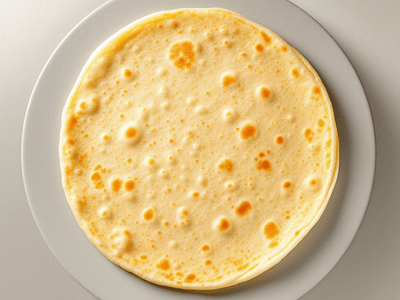
Plain Dosa, a classic South Indian snack, is a staple across households in India. Made from fermented rice (chawal) and urad dal (split black gram), this crispy, golden crepe-like dish is loved for its lightness and subtle tangy flavor. Traditionally cooked on a hot tawa (griddle), dosa is enjoyed with coconut chutney and sambar, making it a wholesome meal. Originating from Tamil Nadu and widely popular in Karnataka, Kerala, and Andhra Pradesh, plain dosa is not just a snack but a breakfast ritual. Its preparation is a testament to the Indian art of fermentation, which not only enhances flavor but also nutritional value. Perfect for festivals like Pongal, Ugadi, or even simple family gatherings, dosa brings people together with its comforting taste and aroma. Its versatility and ease of digestion make it a favorite among all age groups, and its light, crispy texture is truly irresistible.
Ingredients(for 2 medium dosas per person)
- 1 cup Rice (chawal) (short grain or dosa rice)
- 1/4 cup Urad dal (split black gram) (whole or split)
- 1/2 tsp Fenugreek seeds (methi dana)
- as needed Water (for soaking and batter consistency)
- to taste Salt
- 1-2 tsp Oil (preferably cold-pressed or coconut oil)
Instructions
- 1
Rinse rice and urad dal separately in water 2-3 times. Soak rice and fenugreek seeds together in enough water for 6 hours. Soak urad dal separately for the same duration.
10 minutes
Adding methi dana helps fermentation and makes dosa crispier.
- 2
Drain soaked rice and dal. Grind urad dal with a little water to a smooth, fluffy batter. Grind rice and fenugreek seeds to a slightly coarse paste. Combine both batters in a large vessel.
10 minutes
Use minimum water while grinding urad dal for a light, airy batter.
- 3
Mix batters well. Cover and ferment in a warm place for 8-12 hours or overnight until the batter rises and turns slightly bubbly.
8-12 hours
In winter, keep the batter in an oven with the light on for better fermentation.
- 4
After fermentation, add salt and mix gently. Adjust batter consistency with water; it should be pourable but not runny.
2 minutes
Do not overmix after fermentation; it may flatten the batter.
Why This Dish is Healthy
This dosa recipe is prepared with minimal oil and uses natural fermentation, making it heart-healthy and diabetic-friendly. By avoiding heavy fillings and keeping it plain, the calorie count remains low. Using whole urad dal increases dietary fiber, supporting weight loss and digestive health. It’s a wholesome choice for a nourishing breakfast or snack.
Plain dosa is packed with complex carbohydrates from rice and protein from urad dal, making it a balanced vegetarian snack. The fermentation process enhances bioavailability of nutrients and promotes gut health. Dosa is low in fat, contains no cholesterol, and provides essential minerals like iron, potassium, and calcium. It's easy to digest and suitable for those seeking a light yet filling meal.
Pro Tips
- 💡Tip 1: Always use well-fermented batter for crispy dosas.
- 💡Tip 2: If the batter is too thick, add water little by little to reach the right consistency.
- 💡Tip 3: Grease the tawa lightly and wipe with a sliced onion for an even, non-stick surface.
Storage & Serving
Fermented batter can be stored in the refrigerator for up to 3 days. Stir gently before making dosas. Cooked dosas are best enjoyed fresh but can be wrapped in a cloth and kept in an insulated container for a few hours.
Best served: Breakfast or Lunch
Nutrition Facts
| Nutrient | Per 100g |
|---|---|
| Energy | 150.0 kcal |