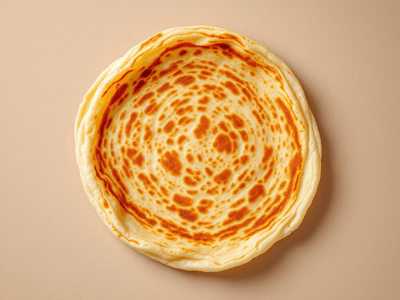
Plain Dosa
Snacks • Malaysia
How to Make Plain Dosa (Traditional & Healthy Version)
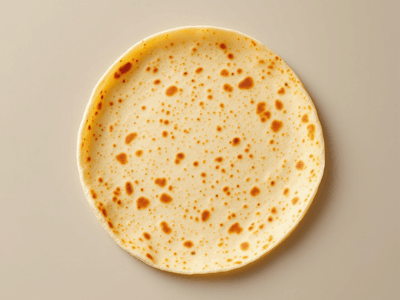
Plain dosa, known locally as 'tosai', is a beloved vegetarian snack in Malaysia, especially among our vibrant South Indian communities. While its roots are South Indian, dosa has been fully embraced into Malaysian multicultural cuisine and is a staple in mamak stalls from Kuala Lumpur to Penang. The light, crispy texture and subtle fermented tang make it a favorite for breakfast or light lunch, often served with dhal or coconut chutney (sambal kelapa). Malaysian tosai is unique in its adaptation to local tastes and ingredients, sometimes incorporating aromatic touches like daun pandan or hints of lemongrass in accompanying chutneys. This healthy plain dosa recipe is perfect for those watching their calories, offering a protein-rich, low-fat option that's entirely plant-based. The fermentation process not only enhances the flavor but also increases nutrient bioavailability, making it a nutritious and delicious choice for the health-conscious Malaysian. Enjoy it as a wholesome snack or a light meal, appreciating its cultural significance and gentle flavors.
Ingredients(for 1 medium-sized Malaysian tosai (dosa) per person)
- 1 cup Rice (beras)
- 1/3 cup Split urad dal (kacang dhal putih)
- 1/2 tsp Fenugreek seeds (biji halba)
- as needed Water (air)
- 1/2 tsp Salt (garam)
- 2 tsp Oil (minyak sayur)
- 1 leaf Daun pandan (optional, for aroma in soaking water) - optional
- 1 stalk Lemongrass (serai, optional for accompanying chutney) - optional
- 1/4 cup Santan (optional, for serving as coconut chutney) - optional
- 1 tbsp Coriander leaves (daun ketumbar, optional for garnishing) - optional
Instructions
- 1
Rinse rice, urad dal, and fenugreek seeds thoroughly. Soak them in water for at least 4 hours or overnight, adding daun pandan for aroma if desired.
5 minutes
Soaking with daun pandan adds subtle Malaysian fragrance.
- 2
Drain the soaked ingredients. Transfer to a blender and blend with enough water to form a smooth batter.
5 minutes
Use cold water for smoother batter consistency.
- 3
Pour the batter into a bowl, cover, and let it ferment in a warm place for 8-12 hours, or until slightly bubbly and doubled in volume.
5 minutes
Fermentation enhances nutrition and flavor; use a warm spot in your kitchen.
- 4
After fermentation, stir in salt. If batter is too thick, add a little water to reach pouring consistency.
2 minutes
Batter should be similar to pancake batter, not too runny.
Why This Dish is Healthy
This dish is a great choice for calorie-conscious Malaysians because it is naturally low in calories, high in protein, and contains no added sugars. The use of minimal oil keeps fat content low, while fermentation boosts nutrient absorption. It's suitable for vegetarians and can easily be made vegan, supporting a healthy, balanced diet.
Plain dosa is low in fat, cholesterol-free, and provides a balanced combination of complex carbohydrates and plant-based protein from rice and urad dal. The fermentation process increases B vitamins, supports gut health, and makes nutrients more available. Fenugreek seeds add iron and aid digestion. Served with sambal kelapa or dhal, it offers additional fiber, minerals, and healthy fats.
Pro Tips
- 💡Tip 1: Use aged rice for better fermentation and crispiness.
- 💡Tip 2: Add a little fenugreek (biji halba) for extra flavor and nutrition.
- 💡Tip 3: For a Malaysian twist, infuse soaking water with pandan or lemongrass.
Storage & Serving
Plain dosa batter can be refrigerated for up to 2 days. Cooked dosas are best eaten fresh, but they can be kept in an airtight container for up to 12 hours and reheated on a pan.
Best served: Breakfast or Lunch
Nutrition Facts
| Nutrient | Per 100g |
|---|---|
| Energy | 150.0 kcal |