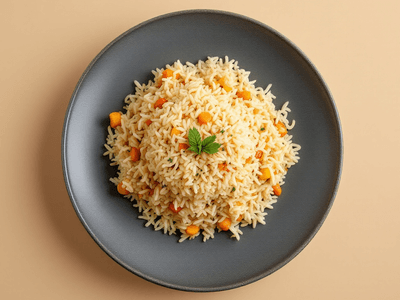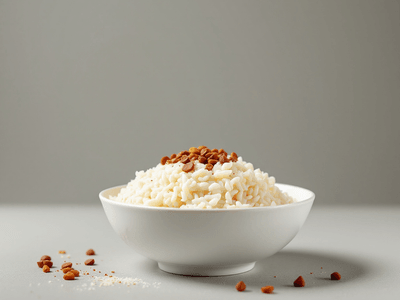
Bubur Nasi
All Foods • Malaysia
How to Make Bubur Nasi (Traditional & Healthy Version)
Bubur Nasi is a beloved staple in Malaysian cuisine, enjoyed by people of all backgrounds for its soothing texture and comforting flavors. This simple rice porridge, sometimes called 'congee', is often served during breakfast or as a light meal, especially when one is feeling under the weather. The dish showcases the heart of Malaysia’s multicultural food heritage, featuring aromatics like pandan leaves and lemongrass, which impart a gentle fragrance that makes every spoonful delightful. Bubur Nasi is highly versatile and can be adapted for vegetarians, making it perfect for those seeking a wholesome, plant-based meal. Its delicate, mild flavor allows for endless customization with local condiments such as fried shallots, spring onions, or a drizzle of 'kicap manis' (sweet soy sauce). Easy to digest and nourishing, Bubur Nasi is cherished for bringing families together, whether it’s for a quick breakfast or a light supper after a long day. Its gentle recipe makes it suitable for all ages, from toddlers to the elderly, highlighting its enduring place in Malaysian homes.
Ingredients(for 1 medium bowl (about 350 ml))
- 1/2 cup Jasmine rice (Beras wangi)
- 4 cups Water (Filtered)
- 1 leaf, tied into a knot Pandan leaf (Daun pandan)
- 1 stalk, bruised Lemongrass (Serai)
- 1/2 medium, diced Carrot - optional
- 3 slices Ginger (Halia)
- 2 stalks, sliced Spring onion (Daun bawang)
- 2 tbsp Fried shallots (Bawang goreng) - optional
- 1 tbsp Soy sauce (Kicap masin or kicap manis) - optional
- 1/2 tsp Salt (To taste)
- 1/4 tsp White pepper (Lada putih) - optional
Instructions
- 1
Rinse the jasmine rice thoroughly until the water runs clear to remove excess starch.
2 minutes
Proper rinsing ensures a smooth, non-sticky porridge texture.
- 2
In a large pot, combine rinsed rice, water, pandan leaf, lemongrass, and ginger slices. Bring to a boil over medium-high heat.
5 minutes
Use a sturdy pot to prevent sticking at the base.
- 3
Once boiling, reduce to low heat and simmer uncovered, stirring occasionally to prevent the rice from sticking.
15 minutes
Stirring often creates a creamy consistency.
- 4
Add diced carrots and continue to simmer until rice is soft and the porridge reaches your preferred thickness.
8 minutes
Add more water if you prefer a thinner porridge.
Why This Dish is Healthy
Bubur Nasi is a healthy choice as it features whole food ingredients, no deep-frying, and limited processed elements. The use of pandan and lemongrass adds flavor without the need for excess salt or fat. It’s nourishing, hydrating, and customizable for further fiber and micronutrient enhancement by adding vegetables or legumes. This makes it a smart option for those tracking calories or seeking gentle, gut-friendly meals.
Bubur Nasi is a low-fat, easily digestible meal ideal for all ages. Jasmine rice provides quick energy through complex carbohydrates, while the addition of carrots and aromatics like lemongrass and ginger boost vitamin A and antioxidant content. Using minimal oil and opting for plant-based garnishes keeps calories moderate. The dish is naturally gluten-free and low in saturated fat, making it suitable for a variety of diets.
Pro Tips
- 💡Tip 1: Stir frequently to prevent rice from sticking to the pot.
- 💡Tip 2: Adjust water amounts for your preferred porridge thickness.
- 💡Tip 3: For extra nutrition, add finely chopped leafy greens in the last 5 minutes.
Storage & Serving
Store leftover Bubur Nasi in an airtight container in the refrigerator for up to 2 days. Reheat gently on the stove, adding a splash of water to restore creaminess. Avoid freezing as the texture may change.
Best served: Breakfast or Lunch
Nutrition Facts
| Nutrient | Per 100g |
|---|---|
| Energy | 180.0 kcal |
| Protein | 2.0 g |
| Carbohydrates | 16.5 g |
| Total Fat | 0.6 g |
| Fiber | 0.4 g |
| Sugars | 0.1 g |
| Iron | 0.2 mg |
| Calcium | 5.0 mg |
| Sodium | 120.0 mg |
| Potassium | 25.0 mg |
| Cholesterol | 0.0 mg |
| Vitamin A | 1.0 IU |
| Vitamin C | 0.5 mg |
| Magnesium | 6.0 mg |
| Zinc | 0.2 mg |
| Phosphorus | 18.0 mg |
| Vitamin D | 0.0 IU |
| Vitamin B1 (Thiamine) | 0.0 mg |
| Vitamin B2 (Riboflavin) | 0.0 mg |
| Vitamin B3 (Niacin) | 0.2 mg |
| Vitamin B6 | 0.0 mg |
| Vitamin B12 | 0.0 µg |
| Folate | 4.0 µg |