Mixed Vegetable Vada
India • Non-Vegetarian
How to Make Mixed Vegetable Vada (Traditional & Healthy Version)
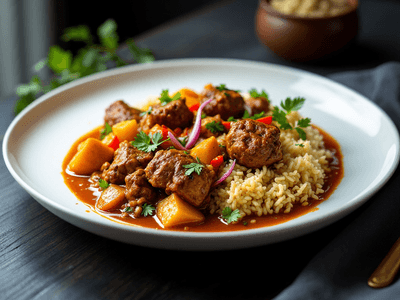
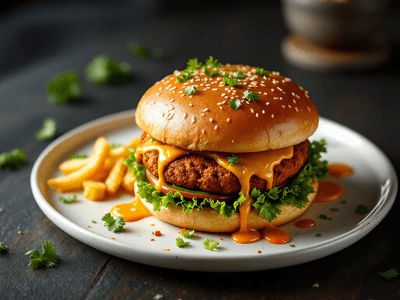
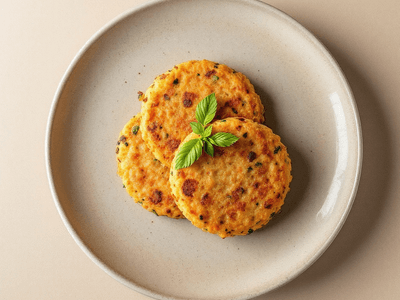
Mixed Vegetable Vada is a beloved Indian snack that brings together a variety of local vegetables, aromatic spices, and besan (gram flour) to create a crispy, flavorful treat. Originating from South India, especially popular in Tamil Nadu and Karnataka, Mixed Vegetable Vada is often enjoyed during festive occasions like Diwali and family gatherings. The vada is known for its crunchy exterior and soft, savory interior, making it an irresistible addition to any chai-time platter. Traditionally deep-fried, this healthy version uses less oil and incorporates nutrient-rich veggies like carrots, beans, and peas, reflecting the vibrant diversity of Indian cuisine. This snack is not only delicious but also versatile, suitable for breakfast, lunch, or as an evening snack. It’s commonly served with coconut chutney or sambar, adding layers of flavor and nutrition. The beauty of Mixed Vegetable Vada lies in its adaptability; you can use seasonal vegetables and regional spices to create a unique taste for your family. With its wholesome ingredients and balanced spices, this vada is a great way to introduce kids to vegetables and enjoy a guilt-free indulgence. Whether you’re celebrating a festival or craving a healthy homemade snack, Mixed Vegetable Vada is sure to satisfy.
Ingredients(for 2 medium vadas per serving)
- 1 cup Besan (gram flour) (chana dal ka atta)
- 1/4 cup Chopped carrots (gajar)
- 1/4 cup Chopped green beans (sem)
- 1/4 cup Green peas (matar)
- 1/4 cup Chopped onions (pyaaz)
- 2 tbsp Fresh coriander leaves (dhaniya patta)
- 1-2 Green chillies (hari mirch, finely chopped) - optional
- 1 tsp Grated ginger (adrak)
- 1/2 tsp Cumin seeds (jeera)
- to taste Salt (namak)
- 1/2 tsp Red chilli powder (lal mirch)
- 1/4 tsp Turmeric powder (haldi)
- 2 tbsp Oil (for shallow frying)
- as needed Water (to make batter)
Instructions
- 1
Wash and finely chop all vegetables (carrots, beans, peas, onions, coriander, green chillies, ginger). Set aside.
5 minutes
Use seasonal veggies for best nutrition and flavor.
- 2
In a mixing bowl, combine besan, salt, red chilli powder, turmeric, and cumin seeds. Mix in the chopped vegetables and ginger.
3 minutes
Ensure even mixing for uniform texture in vadas.
- 3
Gradually add water to form a thick, lump-free batter. The consistency should allow you to shape vadas without sticking to your hands.
2 minutes
Add water little by little to avoid a runny batter.
- 4
Heat oil in a tawa or shallow pan on medium flame. Shape small portions of batter into round vadas and gently place them on the tawa.
2 minutes
Wet your hands slightly to prevent batter from sticking while shaping.
Why This Dish is Healthy
This dish is a healthy choice because it uses fresh vegetables, besan for protein, and minimal oil for shallow frying instead of deep frying. It is vegetarian, high in fiber, and rich in vitamins, helping you feel full longer. The use of spices boosts metabolism and immunity. Including Mixed Vegetable Vada in your diet can support weight management and overall wellness, making it ideal for calorie tracking and healthy eating.
Mixed Vegetable Vada is loaded with fiber from vegetables like carrots, beans, and peas, helping with digestion and satiety. The besan (gram flour) is a plant-based protein source, while spices like turmeric and ginger add antioxidants and anti-inflammatory properties. This recipe is low in saturated fat due to shallow frying, and provides essential vitamins such as vitamin A, C, and K. Each serving delivers a balanced mix of macronutrients, making it a wholesome option for health-conscious individuals.
Pro Tips
- 💡Tip 1: Chop vegetables finely for even cooking and better binding.
- 💡Tip 2: Adjust spices to suit personal taste and dietary needs.
- 💡Tip 3: Use minimal oil and spread vadas thinly for a crisp texture.
Storage & Serving
Store leftover vadas in an airtight container in the refrigerator for up to 2 days. Reheat on a tawa or in an oven to restore crispiness. Avoid microwaving to prevent sogginess.
Best served: Breakfast or Lunch
Nutrition Facts
| Nutrient | Per 100g |
|---|---|
| Energy | 90.0 kcal |