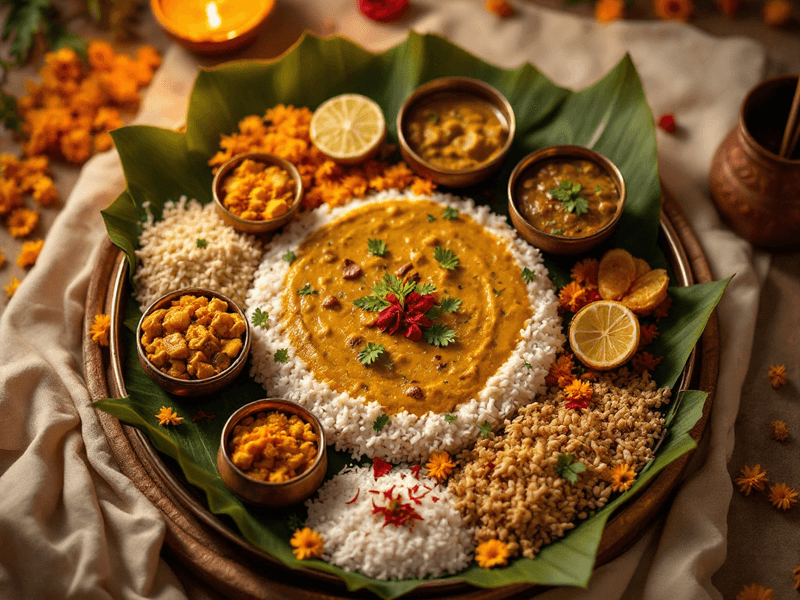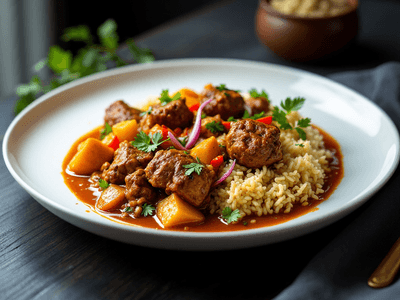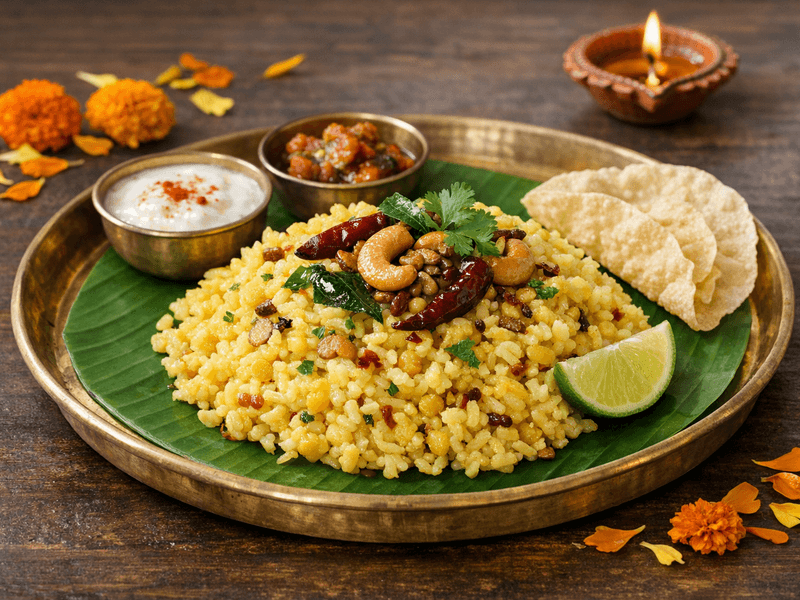
Rice with Yellow Moong Dal
Lunch • India
How to Make Rice with Yellow Moong Dal (Traditional & Healthy Version)
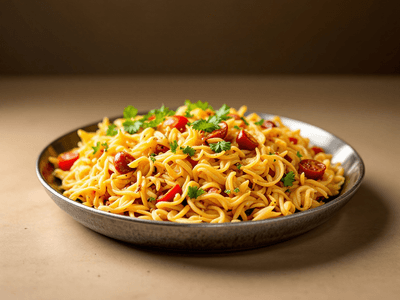
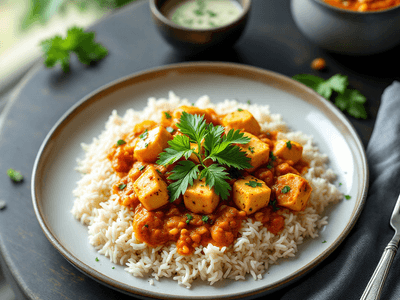
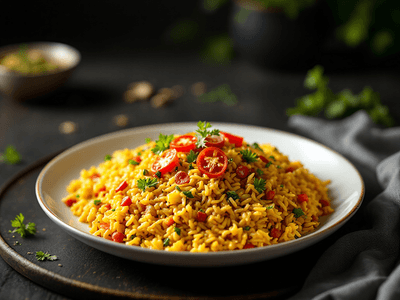
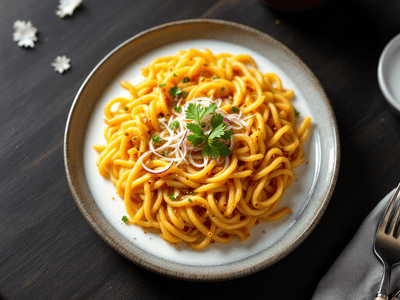
Rice with Yellow Moong Dal is a classic North Indian lunch dish enjoyed for generations across homes in India. Known locally as Moong Dal Khichdi, this meal is simple, nutritious, and easy to digest, making it a staple during festivals, fasting days, and everyday lunches. Its origins trace back to the heart of Uttar Pradesh and Punjab, where families prepare this dish as a nourishing comfort food. The subtle aroma of basmati chawal (rice) paired with earthy, protein-rich moong dal creates a harmonious blend that is both filling and gentle on the stomach. This recipe is perfect for those seeking a healthy yet flavorful meal that embodies the essence of Indian culinary tradition. Moong dal and rice are often served together during festivals like Navratri and Makar Sankranti, symbolizing purity and simplicity. The dish’s mild flavor and soft texture make it ideal for children, elders, and anyone recovering from illness. Its popularity is also enhanced by the ease of preparation and versatility—Rice with Yellow Moong Dal can be dressed up with tempering (tadka) of spices or kept plain for a lighter meal. Whether you enjoy it with dahi (curd), achar (pickle), or just on its own, this wholesome recipe is a delightful, health-conscious addition to your Indian lunch menu.
Ingredients(for 1 medium bowl per person)
- 1/2 cup Basmati rice (chawal)
- 1/2 cup Yellow moong dal (mung dal)
- 3 cups Water (for boiling)
- 1/2 tsp Turmeric powder (haldi)
- 1 tsp Salt (namak)
- 1/2 tsp Cumin seeds (jeera)
- 1 tbsp Ghee (clarified butter)
- 1 pinch Asafoetida (hing)
- 1 Green chilli (finely chopped, optional for heat) - optional
- 2 tbsp Fresh coriander leaves (dhania patta, for garnish) - optional
Instructions
- 1
Wash the basmati rice and yellow moong dal together thoroughly until the water runs clear.
5 minutes
Soaking the rice and dal for 10 minutes helps them cook faster and evenly.
- 2
In a heavy-bottomed kadhai or pressure cooker, add the soaked rice and dal. Pour in 3 cups of water.
3 minutes
Use a pressure cooker to reduce cooking time.
- 3
Add turmeric powder and salt. Stir gently and cover the kadhai. If using a pressure cooker, secure the lid.
2 minutes
Avoid stirring too much to prevent breaking the grains.
- 4
Cook on medium flame until rice and dal are soft and mushy. In a pressure cooker, give 2-3 whistles; in a kadhai, simmer for 15-20 minutes.
15 minutes
Check for doneness by pressing the rice and dal between fingers.
Why This Dish is Healthy
This recipe is low in fat, easy to digest, and provides sustained energy without spikes in blood sugar. The combination of rice and moong dal forms a complete protein, ideal for muscle repair and overall health. It’s naturally gluten-free, can be veganized, and fits well into diabetic and weight loss diets. Its mild spices and minimal oil make it perfect for all ages, including kids and seniors.
Rice with Yellow Moong Dal is a balanced source of plant-based protein, complex carbohydrates, and dietary fiber. Moong dal is low in fat and rich in essential amino acids, making it perfect for vegetarians. The dish provides vitamins like B1, B2, folate, and minerals such as iron, potassium, and magnesium. Turmeric adds antioxidants, while cumin aids digestion. Using minimal ghee keeps the recipe heart-healthy and suitable for calorie-conscious eaters.
Pro Tips
- 💡Tip 1: Soak rice and moong dal for at least 10 minutes for quicker, even cooking.
- 💡Tip 2: Use homemade ghee for a richer aroma and authentic flavor.
- 💡Tip 3: Add vegetables like carrots, peas, or spinach to boost nutrition and taste.
Storage & Serving
Store leftover khichdi in an airtight container in the refrigerator for up to 2 days. Reheat with a splash of water on low flame to restore softness.
Best served: Lunch
Nutrition Facts
| Nutrient | Per 100g |
|---|---|
| Energy | 320.0 kcal |