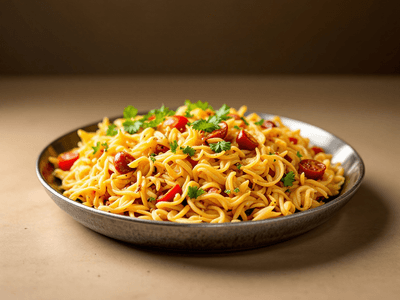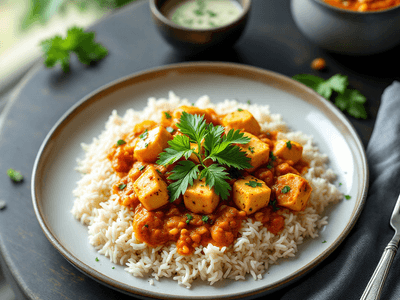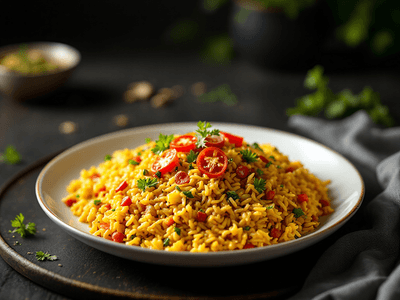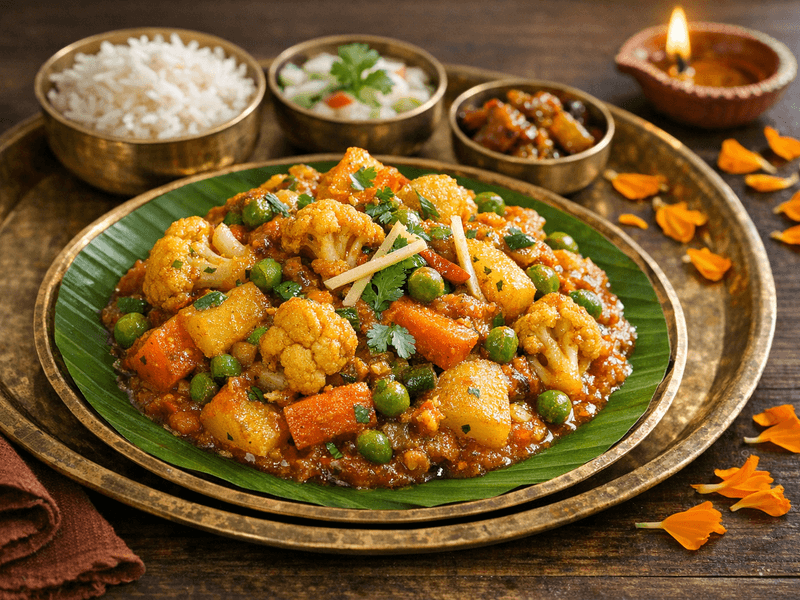
Mixed Vegetable Curry with Cauliflower, Carrot, Peas and Potatoes
Lunch • India
How to Make Mixed Vegetable Curry with Cauliflower, Carrot, Peas and Potatoes (Traditional & Healthy Version)
Mixed Vegetable Curry with Cauliflower, Carrot, Peas, and Potatoes is a vibrant North Indian dish that celebrates the bounty of seasonal vegetables. Known locally as 'Sabzi', this curry is a staple in many Indian households, especially during festive occasions like Holi and Diwali. The medley of crunchy gobhi (cauliflower), sweet gajar (carrot), tender matar (peas), and wholesome aloo (potatoes) is gently simmered in a lightly spiced tomato-onion gravy, making it both comforting and nourishing. This dish is deeply rooted in the North Indian culinary tradition, where sabzi is often served with hot phulka (roti) or jeera rice for a wholesome lunch. The aromatic blend of spices, including jeera (cumin), dhania (coriander), and garam masala, imparts a rich flavor while keeping the recipe light and easy to digest. Its versatility allows it to be customized according to regional preferences and seasonal availability of vegetables, making it an evergreen choice for family meals and festive thalis. What makes this curry a favorite is its balance of flavors and textures—soft potatoes meld with the slight crunch of cauliflower and carrots, while peas add a pop of sweetness. The dish is not only satisfying but also a healthy way to include a variety of vegetables in your diet, promoting both taste and well-being.
Ingredients(for 1 medium bowl (about 250g))
- 1 cup Cauliflower florets (gobhi) (cut into bite-sized pieces)
- 1/2 cup Carrot (gajar) (peeled and diced)
- 1/2 cup Green peas (matar) (fresh or frozen)
- 1/2 cup Potato (aloo) (peeled and diced)
- 1 medium Onion (finely chopped)
- 1 large Tomato (finely chopped or pureed)
- 1 teaspoon Ginger-garlic paste (adrak-lasun paste)
- 1/2 teaspoon Cumin seeds (jeera)
- 1/4 teaspoon Turmeric powder (haldi)
- 1/2 teaspoon Red chilli powder (adjust to taste)
- 1 teaspoon Coriander powder (dhania)
- 1/2 teaspoon Garam masala
- to taste Salt
- 1 tablespoon Cooking oil (preferably mustard or sunflower oil)
- 2 tablespoons Fresh coriander leaves (finely chopped, for garnish) - optional
Instructions
- 1
Heat oil in a kadhai or deep pan on medium flame. Add cumin seeds (jeera) and let them splutter.
2 minutes
Use mustard oil for a robust North Indian flavor.
- 2
Add finely chopped onion and sauté until golden brown. Stir in ginger-garlic paste and cook for 1 minute until aromatic.
4 minutes
Keep stirring to prevent burning and enhance sweetness.
- 3
Add chopped tomatoes and cook until soft and oil starts to separate. Mix in turmeric, red chilli powder, coriander powder, and salt.
4 minutes
Cover the pan to soften tomatoes faster.
- 4
Add diced potatoes and carrots. Sauté for 2-3 minutes, allowing vegetables to absorb the masala.
3 minutes
Cut vegetables evenly for uniform cooking.
Why This Dish is Healthy
Mixed Vegetable Curry is a healthy choice because it incorporates multiple seasonal vegetables, offering diverse phytonutrients and fiber that aid in digestion and satiety. The recipe uses very little oil and no cream, making it heart-friendly and suitable for weight management. It’s naturally gluten-free and can be adapted for vegan diets, making it accessible for various dietary needs. The combination of vegetables ensures a low-calorie, nutrient-dense meal.
This Mixed Vegetable Curry is a nutrition powerhouse, offering a variety of vitamins (A, C, K), minerals such as potassium and magnesium, and dietary fiber from cauliflower, carrot, peas, and potatoes. The use of minimal oil and fresh vegetables ensures it is low in saturated fat. Peas and potatoes provide natural protein, while the spices add antioxidants. This curry supports digestive health, boosts immunity, and helps maintain a balanced diet.
Pro Tips
- 💡Tip 1: Blanch cauliflower for a minute before cooking to remove any impurities.
- 💡Tip 2: Use a heavy-bottomed kadhai to prevent the masala from sticking.
- 💡Tip 3: Add a pinch of kasuri methi (dried fenugreek leaves) at the end for extra aroma.
Storage & Serving
Store leftovers in an airtight container in the refrigerator for up to 2 days. Reheat gently on the stove or microwave, adding a splash of water if needed to restore consistency.
Best served: Lunch
Nutrition Facts
| Nutrient | Per 100g |
|---|---|
| Energy | 180.0 kcal |