Jowar Bhakri
Lunch • India
How to Make Jowar Bhakri (Traditional & Healthy Version)
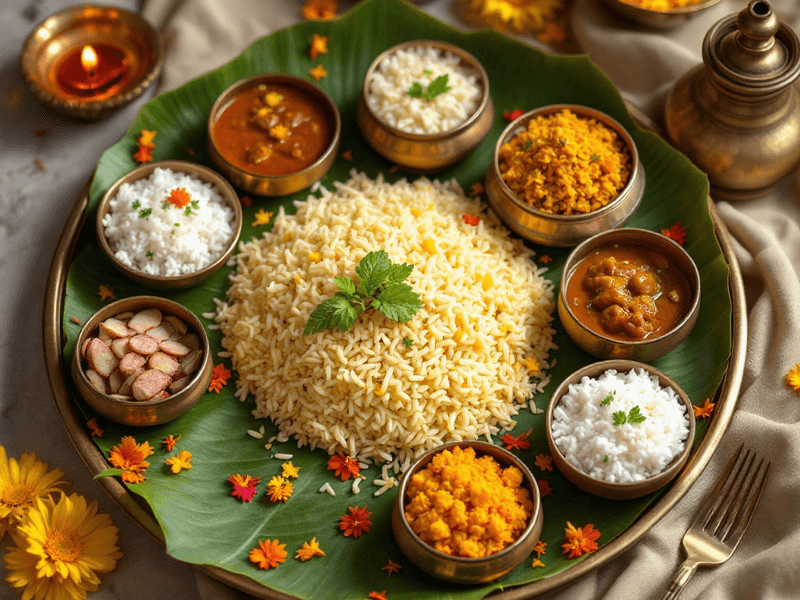
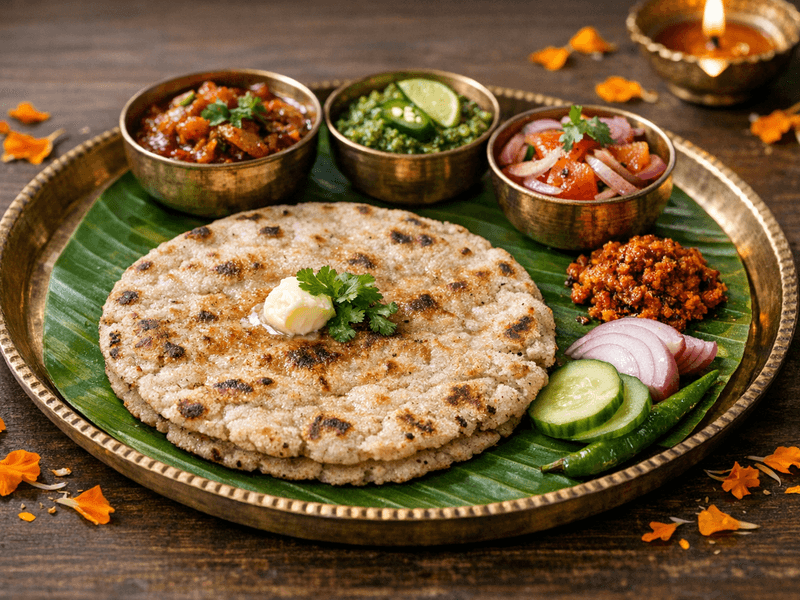
Jowar Bhakri is a quintessential flatbread from the western regions of India, especially popular in Maharashtra, Gujarat, and parts of Karnataka. Made with jowar atta (sorghum flour), this rustic roti is a staple in rural households and forms the backbone of wholesome, everyday meals. Its hearty, earthy flavor and mildly chewy texture make it a beloved component of traditional thalis, often paired with spicy sabzi, chutney, or curd. Jowar Bhakri celebrates Indian agricultural heritage, as jowar is a drought-resistant millet grown extensively across India. The preparation of Bhakri is an art, often passed down generations, involving hand-patting and cooking on a hot tawa (griddle). It is commonly enjoyed during festivals like Makar Sankranti and harvest celebrations, symbolizing prosperity and nourishment. Its gluten-free nature and high fiber content make it a favorite among health-conscious Indians, and it is ideal for those seeking a nutritious alternative to wheat rotis. With its simple ingredients and rich cultural significance, Jowar Bhakri is not just food—it's a tradition.
Ingredients(for 1 medium-sized Bhakri (approx. 6 inches diameter))
- 2 cups Jowar atta (sorghum flour) (millet flour, locally known as jowar)
- 1 cup (as needed) Warm water (for kneading)
- 1/2 tsp Salt (optional) - optional
- 1 tsp Oil (cold-pressed or groundnut oil, for greasing) - optional
- 1/2 tsp Cumin seeds (jeera, optional for flavor) - optional
- 1 tbsp Fresh coriander leaves (finely chopped, optional) - optional
- 1 finely chopped Green chillies (optional, for spice) - optional
- 1 tsp Ghee (for serving (optional)) - optional
Instructions
- 1
Add jowar atta to a large mixing bowl. If using, add salt, cumin seeds, coriander leaves, and green chillies. Mix well.
3 minutes
Mix dry ingredients thoroughly for even flavor distribution.
- 2
Gradually add warm water and knead into a smooth, soft dough. The dough should be pliable but not sticky.
5 minutes
Use warm water to make the dough softer and easier to pat.
- 3
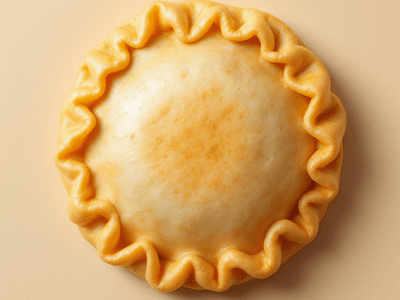
Divide dough into equal portions (2-4 balls). Sprinkle dry jowar atta on a flat surface. Take one portion and flatten gently using your palms, patting and rotating to make a round Bhakri.
5 minutes
Wet your hands if the dough sticks while patting.
- 4
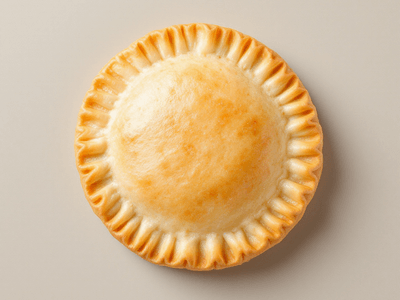
Heat a tawa (griddle) on medium flame. Place the Bhakri on the hot tawa. Cook for 1-2 minutes until small bubbles appear.
2 minutes
Ensure the tawa is evenly heated for uniform cooking.
Why This Dish is Healthy
This dish is a healthy choice as it uses whole grain jowar, which is low in calories and high in fiber. Unlike refined wheat products, jowar helps regulate blood sugar levels due to its low glycemic index. The absence of dairy and gluten makes it ideal for various dietary needs. It's a perfect addition to weight loss and diabetic diets, and excellent for vegetarians seeking nutrient-dense meals.
Jowar Bhakri is rich in dietary fiber, which aids digestion and promotes satiety. Jowar (sorghum) is gluten-free, making it suitable for those with gluten sensitivities. It contains complex carbohydrates, moderate protein, and minimal fat, especially if oil or ghee is skipped. Jowar is a good source of B vitamins, magnesium, iron, and antioxidants, supporting overall metabolic health and immunity.
Pro Tips
- 💡Tip 1: Use warm water for kneading to get softer Bhakri.
- 💡Tip 2: Pat Bhakri with wet hands to prevent sticking and cracking.
- 💡Tip 3: Cook on a medium flame to avoid burning and ensure even texture.
Storage & Serving
Bhakri is best eaten fresh, but can be stored in an airtight container for up to 12 hours. To reheat, sprinkle a little water and warm on a tawa. Avoid refrigeration as it hardens the bread.
Best served: Breakfast or Lunch
Nutrition Facts
| Nutrient | Per 100g |
|---|---|
| Energy | 120.0 kcal |