Jain Moriya Khichdi
Lunch • India
How to Make Jain Moriya Khichdi (Traditional & Healthy Version)
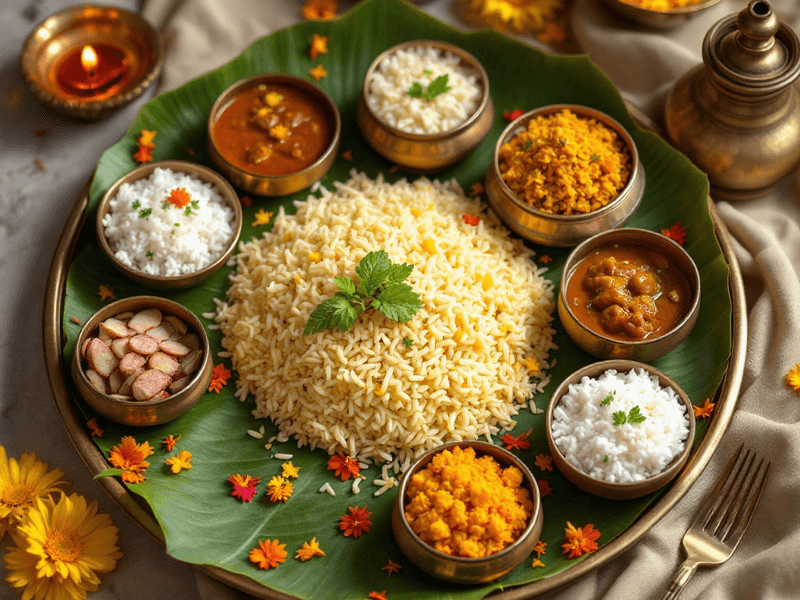
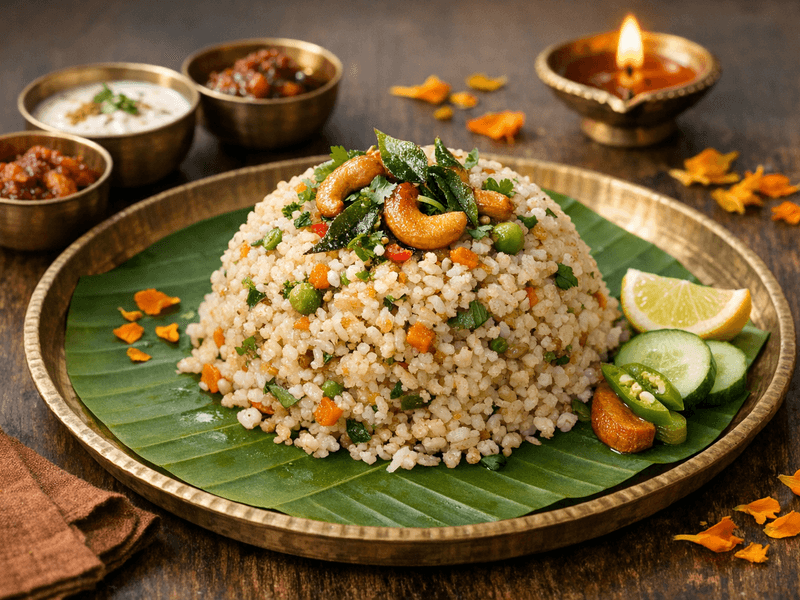
Jain Moriya Khichdi is a wholesome, gluten-free dish deeply rooted in the culinary traditions of Gujarat and Maharashtra, especially cherished by the Jain community for its simplicity and purity. Unlike regular khichdi, this dish is made without onions, garlic, or root vegetables, adhering to Jain dietary principles. Moriya, also known as 'sama ke chawal' or 'barnyard millet', is a fasting grain often prepared during festivals like Paryushan and Ekadashi. The khichdi boasts a delicate, nutty flavor and a light, fluffy texture, making it gentle on the stomach and suitable for all age groups. Traditionally enjoyed during vrat (fasting) days, Jain Moriya Khichdi is a perfect blend of taste and nutrition. Its subtle spices and aromatic tempering of jeera and curry leaves bring out the best in the millet, while ensuring the dish remains sattvic and easy to digest. Whether you're observing a Jain fast or simply seeking a nourishing lunch, this dish offers a comforting, balanced meal with deep cultural roots in West India. Its quick preparation and health benefits make it a favorite for those seeking a light yet fulfilling Indian meal.
Ingredients(for 1 medium bowl (approx. 200g))
- 1 cup Moriya (barnyard millet/sama ke chawal) (soaked for 10 minutes)
- 1/4 cup Moong dal (split yellow lentils) (washed well)
- 1 tablespoon Ghee (can substitute with oil for vegan version)
- 1 teaspoon Jeera (cumin seeds)
- 1 Green chilli (finely chopped, adjust to taste)
- 8-10 Curry leaves (fresh) - optional
- 1/2 teaspoon Ginger paste (optional for Jain vrat) - optional
- to taste Sendha namak (rock salt) (used during fasting)
- 2.5 cups Water
- 2 tablespoons Fresh coriander leaves (chopped, for garnish) - optional
Instructions
- 1
Rinse moriya (barnyard millet) and moong dal thoroughly. Soak the millet for 10 minutes and drain.
10 minutes
Soaking millet ensures a fluffier khichdi.
- 2
Heat ghee in a heavy-bottomed kadhai or pressure cooker on medium flame. Add jeera and let it splutter.
2 minutes
Use ghee for aroma and traditional taste.
- 3
Add chopped green chilli and curry leaves. Sauté for a few seconds until fragrant.
1 minute
For milder flavor, deseed the chilli.
- 4
Add soaked moriya and moong dal. Stir gently to coat thoroughly with ghee and spices.
2 minutes
Roasting millet for a minute enhances flavor.
Why This Dish is Healthy
This khichdi is a healthy choice because it uses whole grains, is low in saturated fat, and includes quality protein from moong dal. It is naturally gluten-free, making it suitable for those with dietary restrictions. The use of ghee in moderation and minimal oil ensures a balanced fat intake. Its high fiber content aids satiety and weight management, while the absence of processed ingredients and root vegetables aligns with sattvic eating principles.
Jain Moriya Khichdi is packed with complex carbohydrates from barnyard millet, which has a low glycemic index and is gluten-free. The addition of moong dal provides plant-based protein and essential amino acids. Ghee adds healthy fats and promotes better absorption of fat-soluble vitamins. This dish is rich in dietary fiber, magnesium, iron, and B vitamins, supporting digestion, energy levels, and heart health. With minimal spices and no root vegetables or onion/garlic, it's gentle on the digestive system, making it suitable for all ages.
Pro Tips
- 💡Tip 1: Use sendha namak during fasting for authenticity and enhanced taste.
- 💡Tip 2: For a richer flavor, lightly roast moriya before soaking.
- 💡Tip 3: Add a dash of lemon juice before serving for a refreshing zing.
Storage & Serving
Store leftover khichdi in an airtight container in the refrigerator for up to 2 days. Reheat with a sprinkle of water on a tawa or in a microwave to restore softness.
Best served: Breakfast or Lunch
Nutrition Facts
| Nutrient | Per 100g |
|---|---|
| Energy | 200.0 kcal |